| SEED |
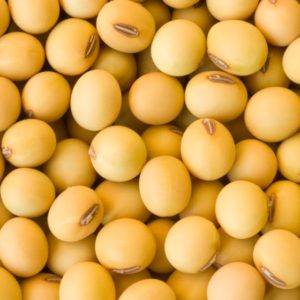
- Use seed with both high germination and vigour.
|
| SEEDING DATES |
- Soybeans are very sensitive to cold water uptake immediately after planting.
- Planting date is determined to a large degree by soil temperature. Ideal soil temperatures will be at least 10°C at seeding depth.
- Seeding below these temperatures may delay emergence and may result in reduced stand establishment.
- The first water that the soybean absorbs in the hours after it is seeded is important to be warm to avoid seed chilling.
- Seeding fields later in the morning, when soils have warmed up a bit more from overnight and will continue to warm throughout the day, and avoiding seeding if a large rain is forecast, will help reduce the uptake of cold water.
- Seeding as early as soil temperatures permit is important as later seeding dates can result in decreased plant height and lower pod establishment, making harvest difficult.
- Later seeding also increases the susceptibility to fall frost and reduces seed yield potential.
- May 10 to the 25 is a typical seeding window of soybeans. Research is currently being done to evaluate ideal seeding dates across the Prairies.
- Once soybeans emerge, they can tolerate light frosts of up to -2°C for short periods, as long as the growing points are not damaged.
|
| SEEDING DEPTH |
- Soybeans are a relatively large seed and require adequate moisture to hydrate and germinate. They need to be able to remain in contact with moist soil.
- Ideal seeding depths range from 0.75 to 1.5 in (1.9 to 3.81 centimetres). Deep-seeding can reduce emergence and increase the risk of disease infection from soil-borne pathogens.
|
| SEEDING RATE CALCULATOR |
- The Seeding Rate Calculator on the APG app can help you determine the proper seeding rate. Download the app here.
|
| Seeding Rates |
- Soybean seeding rates should be determined by targeting desired final plant stands. Using this method, you need to take into account the desired plant population, the variety seed size (thousand kernel weight), and the percentage seed survival. Soybean seeding rates are usually given in seeds per acre (plants/ac).
- Ideal final plant population ranges four to five plants per square foot. Average seed survivability of around 75% is usually achieved when using a drill.
- A planter is typically able to achieve a higher seed survivability rate. Overall, seed survivability will depend on equipment, seed quality, and seedbed conditions. This means seeding rates will range from 70 to 140 pounds per acre (lb/ac), depending on the various factors.
- Exceeding ideal plant stands can result in drought stress during dry years and lodging in wet years. Soybeans can branch to help compensate for lower plant stands but plant height and pod height are usually lower with a less dense stand, creating more issues with harvestability.
|
| Seeds Per Pounds |
- 2,000 – 3,400 seeds per pound
|
| SOIL TEMPERATURE |
- Ideal soil temperatures will be at least 10°C at seeding depth.
- Soybeans emerge within 24–35 days when seeded into 6–12°C soils and 4–16 days when seeded into 14–22°C soils (based on soil temperatures at a 5 cm depth at 10:00 a.m. for two consecutive days). (Research conducted at University of Manitoba)
- Warm soil temperatures result in faster emergence and prevent the risk of chilling injury during inbibition. Residue management should have a minor impact on plant population and yield if soybeans are seeded during optimal calendar dates and into warm soil.
|