Contact

Research Looks to Ensure Canadian Beans Meet Consumer Standards

A research team in Lethbridge is assessing the canning and cooking quality traits of experimental dry bean lines to ensure they meet the expectations of consumers and the canning industry.
Led by Agriculture and Agri-Food Canada (AAFC) researcher Dr. Parthiba Balasubramanian, the team is specifically investigating varieties from registration trials in Ontario, Manitoba, Saskatchewan, and Alberta to make sure the crops farmers are growing will not produce anomalous beans in their samples, such as those that fail to soften during cooking or soaking.
Compared to many other crops, a dry bean is judged less on its internal attributes and more on how it looks and performs on the plate.
“Dry bean experimental lines must be rated as ‘acceptable’ for canning and cooking quality traits, compared to check cultivars, prior to receiving support for registration as cultivars from the Ontario Pulse Crop Committee,” Balasubramanian said.
“As part of canning quality, traits such as hydration coefficient, dry seed colour, processed seed colour, drain weight, texture, matting, and appearance are assessed, and as part of cooking quality, hard seeds and partially hydrated seeds are assessed after soaking and cooking.”
The scenario of someone biting into a hard seed does occasionally happen. Balasubramanian’s research was able to identify some dry bean lines more likely to produce the odd hard seed. His research also identified some dry bean lines—grown in the same area—showing good traits for canning and cooking, such as no hard-as-rock seeds.
Pulse farmers can be confident that the varieties they have available to them are approved for the consumer market.
“Each year, dry bean experimental lines with canning and cooking quality traits that were ‘equal to’ or ‘better than’ the check cultivars were selected and recommended for registration as cultivars in Canada by the two National Registration Recommending Committees,
Ontario Pulse Crop Committee and the Prairie Recommending Committee for Pulse and Special Crops,” Balasubramanian said.
His research at the Bean Pilot Plant at the AAFC Lethbridge Research and Development Centre has identified dry bean lines in Ontario and across the Prairies that possess better canning and cooking qualities.
Balasubramanian’s work will continue to assess experimental and new dry bean lines, ensuring that only those with good seed quality traits are
subsequently registered as varieties for commercial production in Canada.
The Pulse Research Cluster includes Alberta Pulse Growers, Manitoba Pulse and Soybean Growers, Ontario Bean Growers, Saskatchewan Pulse Growers and Pulse Canada and is supported by the Agriculture and Agri-Food Canada AgriScience Clusters Program under the Canadian Agricultural Partnership.

CHANGE Cancer Alberta Project Confirms More People Eat Pulses When They Learn How to Make Them Delicious

Learning the benefits of pulses and how to prepare them in delicious ways were key strategies to increase pulse consumption by adults with Metabolic Syndrome and at a high risk of cancer in the CHANGE Cancer Alberta project.
“When asked what would facilitate pulse consumption, participants overwhelmingly reported that they would like to have more recipes that tasted great and that could be easily incorporated into their daily life,” explained Dr. Doug Klein of the University of Alberta’s Department of Family Medicine. “This makes sense when considering the comments that participants made regarding barriers to consuming more pulses.”
After reviewing the preliminary report, Debra McLennan, Food and Nutrition Coordinator for Alberta Pulse Growers (APG) and a registered dietitian, was encouraged by the results.
“This study provides a number of pathways forward for APG to connect consumers and health professionals with information and resources to help them overcome these barriers,” McLennan noted.
Barriers to pulse consumption mentioned by participants included bland taste, the cost and availability of pulses, a lack of recipes, and feelings of being bloated after eating. Participants also shared in conversation that they did not enjoy the taste of pulses, that they felt they needed to modify recipes to incorporate pulses beyond what was available, and that they did not tolerate pulses well, citing having gastrointestinal reactions.
CHANGE (Canadian Health Advanced by Nutrition and Graded Exercise) is an evidence based multi-disciplinary intervention that integrates lifestyle modifications into primary care settings. CHANGE Canada is an intervention to improve lifestyle behaviours associated with Metabolic Syndrome, which can put people at a high risk for heart attack, stroke, and diabetes. The desired behaviours include increased physical activity and dietary changes to reflect a dietary pattern consistent with Canada’s Food Guide and a Mediterranean diet. CHANGE Cancer Alberta is an intervention to improve lifestyle behaviours associated with cancer prevention and the project is an adaptation of the CHANGE Canada project to focus on behaviours identified to decrease cancer risk within an Albertan versus national context.
The primary outcome of CHANGE Cancer Alberta is an improvement in physical activity levels and eating behaviours after 12 months of the intervention and ultimately create Alberta-based evidence for a sustainable intervention that supports cancer prevention and screening in primary care. The CHANGE Intervention Protocol is a personalized approach to nutrition and exercise modification supported by an interdisciplinary team with the family physician, registered dietitian and exercise specialist.
PRELIMINARY FINDINGS
It is early to assess the effectiveness of the CHANGE Cancer Alberta intervention as analysis is not complete. However, preliminary analysis is optimistic that with the intervention protocol:
• For participants with Metabolic Syndrome (with 3 out of 5 criteria) who have completed 3 and 12 months of the intervention:
o 17.5% and 32.5% respectively no longer have Metabolic Syndrome.
o Of those who still have Metabolic Syndrome, 37.8% and 45.8% respectively have decreased the number of criteria they meet.
o Metabolic Syndrome refers to a combination of factors (dyslipidemia, elevated glucose and triglycerides, high blood pressure, and high abdominal fat distribution) that increase the risk for these diseases and is linked to an increased risk of developing both cardiovascular disease and diabetes mellitus.
• Health professionals spoke of noticing improved health in many patients, as well as increased confidence and knowledge about both physical activity and
nutrition.
• The specific objectives related to pulses were achieved. This included increased awareness, and consumption of pulses plus greater awareness of how to cook pulses and where to find information about pulses. Participants were also more aware of the benefits of increased pulse consumption after participating in the Intervention and overwhelmingly voiced a desire for more tasty and diverse recipes that they could use.
RESULTS SPECIFIC TO PULSES
Patient Pulse Knowledge and Experiences
• From baseline to 12 months:
o Knowledge of what pulses were increased by 45% in the intervention group compared to 12% in the control group.
o Intake of any type of pulse three or more times per week remained a consistent 9% in the control group but increased 23% in the intervention group (from 9% to 32%).
o In the intervention group, knowledge of where to find pulses in the grocery store increased by 18% from 74% to 92% and usage of either Alberta or other Canadian pulse grower websites to find resources or recipes for pulses increased from 3% to 34%.
o Identifying three health benefits to pulse consumption steadily improved in the intervention group from 32% to 61% of participants. The three most cited health benefits to pulse consumption were high fibre, high protein/plant protein, and presence of important vitamins and minerals (for example, iron).
• Using a stepped approach of slowly incorporating pulses into meals helped ease participants into getting used to and becoming more familiar with pulses as it was noted that they struggled to add pulses into their diets, sometimes because they did not like the way pulses tasted or they had little knowledge of pulses.
• It was also reported by participants and health professionals that gastrointestinal reactions to pulses limited how often participants ate pulses even if they enjoyed them.

NAIT Exploring Use of Fermentation to Add Value to Alberta-Grown Pulses

NAIT researchers are utilizing traditional fermentation to add value to locally grown pulses including yellow pea, faba bean and chickpea by developing misos, shoyu, shio koji and amazake.
Established in 2018, NAIT’s Centre for Culinary Innovation (CCI) is a Canadian leader in food product development. Located in Edmonton, AB, this diverse team combines culinary, food science, and market insight to bring leading-edge food product ideas to life. CCI supports companies in a variety of ways at any stage in a product’s pathway to market. CCI endeavours to use Alberta grown ingredients in its formulations and works to transform Alberta commodities into value added ingredients and products. In partnership with Alberta Pulse Growers (APG), CCI is developing new fermented pulse-based food ingredients to evaluate their flavour profiles and use in food products.
The two-year project, funded by APG, is led by certified research chef Maynard Kolskog. He has nearly 40 years of industry experience, 18 years instructing at NAIT, and an extensive track record of developing various food prototypes using alternative ingredients, novel co-stream, and alternative proteins and pulses. He is an expert in ingredient substitutions and implementing innovative techniques for new product formulations and process optimization.
As the second year of the project approaches, Kolskog has been fermenting locally grown Prairie pulses using traditional methods to create flavour pastes and powders.
“The novel food ingredients have a strong umami flavour profile and can be used in a variety of different foods,” Kolskog explained. “Local chefs have tested them in their menus to great success. Umami flavours are highly desired for their savoury notes. These pastes and powders can be upscaled to produce ingredients for formulators of larger companies as well.”
Kolskog, utilizing traditional fermentation and locally grown pulses, has produced misos, shoyu, shio koji and amazake. Miso is a fermented paste and traditionally produced using soybeans and koji (a starter culture). It is aged for months or even years. NAIT has developed three different types of miso using locally grown pulses: faba bean, chickpea and yellow pea. Its culinary implications are endless, and it can be used where traditional miso is used. It can also be incorporated where savoury flavours are desired.
The plant-based meat analogue industry continues to look for naturally produced flavours that are not yeast-based. Miso, made from other pulses, would be a great addition to this industry because of the varying flavours produced. Other products that were made with locally grown pulses and cereals were shoyu (Japanese-style soy sauce), shio koji (marinades for poultry, meat and seafood) and amazake (traditional Japanese drink). The result of these experiments and product development shows the versality of the cereals and pulses grown in Alberta. Utilizing traditional fermentation and applying the ingredients and end products to modern formulations allows the creation of unique food products that would otherwise not exist.
Fermentation of locally grown pulse and cereal grains adds value to Alberta crops, and can be promoted for their unique flavour profiles. Future studies will include understanding the flavour volatiles that are produced during these fermentations to optimize usage of these pastes and powders in food formulations. Kolskog plans to produce other value-added products such as Prairie-based nattos and vinegars.
This initiative aligns with APG strategic objectives as it promotes and showcases how versatile Alberta pulses can be and how value can be added by using traditional fermentation. These value-added ingredients can be promoted to open new markets and increase profitability in our value-added food chain.
Lastly, it provides an understanding of what consumers acceptance of pulses, value-added pulse ingredients and provides a basis for farmers and manufacturers to make more informed decisions in future production.

Team Alberta Crops Releases Election Priorities

By Reg Warkentin, Government Relations and Policy Manager, Team Alberta Crops


Team Alberta Crops developed election priorities to help candidates understand the issues important to Alberta producers of crops and bees. Alberta farmers represent less than one percent of Alberta’s population yet contribute billions to Alberta’s economy directly, as well as through exports and supplying value-added processors with high-quality feedstock. Team Alberta Crops represents a collaboration between eight of Alberta’s crop commissions: Alberta Barley, Alberta Beekeepers Commission, Alberta Canola, Alberta Pulse Growers, Alberta-British Columbia Seed Growers, Alberta Sugar Beet Growers, Alberta Wheat Commission and the Potato Growers of Alberta. The crop and honey sector would like the next provincial government to focus on the following issues:


IMPROVED MARKET ACCESS

Work with federal, provincial, and territorial governments to reduce trade barriers, open new markets and attract new customers for Alberta agricultural products. Alberta’s economy would also benefit from continued efforts to attract investment into value-added processing projects.

BUSINESS RISK MANAGEMENT

Work with provincial and federal counterparts to ensure that Business Risk Management (BRM) programs remain effective. This requires that program administrators recognize the variability in farmer practices and that BRM programs remain free from environmental cross-compliance measures that further increase red tape.

COMPETITIVENESS THROUGH INNOVATION

The viability of the agriculture industry and its ability to compete in the global market is supported by incorporating innovative technologies and educational advancements. Team Alberta Crops calls upon the Alberta government to continue investing in research, extension, as well as ag-related training and education.

SUSTAINABILITY, CLIMATE CHANGE, AND THE CARBON TAX

Global demand for food is growing, and limiting our capacity to produce healthy, hearty crops will result in other less sustainable countries filling the demand. The Alberta Government must recognize regional and crop-specific practices and use financial incentives to promote adopting beneficial management practices to reduce our environmental impact further. Additionally, the government needs to reduce land use conflict through land use frameworks and continue to invest in and promote plastic recycling programs.

FEDERAL ADVOCACY SUPPORT

Apply pressure to reverse the Pest Management Regulatory Agency (PMRA) decision to eliminate animal feed treated with Lambda-Cyhalothrin and ensure the PMRA transformation agenda does not undermine the trust and reliability of science-based regulatory reviews.

REPLACEMENT BEE STOCK

Alberta beekeepers saw colony losses of 20 to 80 percent and urgently need to rebuild their numbers. The next provincial government must continue to work with the federal government and other provinces for approval to access bee stock from the approved safe zone in northern California.


Team Alberta Crops will continue to inform and share information with elected officials and the government on these critical issues. We are a non-partisan, grassroots partnership representing thousands of Alberta farmers. Sharing these priorities is to ensure agriculture is an integral part of the 2023 Alberta election conversation.

For more detailed information on each of the election priorities, visit TeamAlbertaCrops.com.

Click here to view in pdf format.

Story of Beans Episode 5 – The Farmer (Casey Koomen)

In Episode 5 of The Story of Beans, we continue exploring what it’s like to be a farmer growing beans in Alberta by speaking to Casey Koomen about sustainability & more on his farm. Get connected with your food! This project is funded by the Canadian Agricultural Partnership AgriScience Program, Alberta Pulse Growers, Manitoba Pulse and Soybean Growers, and Ontario Bean Growers.

Story of Beans Episode 4: The Farmer

In Episode 4 of The Story of Beans, we explore what it’s like to be a farmer growing beans in Alberta. Get connected with your food! This project is funded by the Canadian Agricultural Partnership AgriScience Program, Alberta Pulse Growers, Manitoba Pulse and Soybean Growers, and Ontario Bean Growers.

Chops & Crops Farm Family Biography

Chops and Crops 2022  – Farm family profile

Name: Peter Konstapel, Zone 4 Director, Alberta Pulse Growers

Where they farm: Saddle Hills County near Spirit River in northwest Alberta

What they produce:  Peas, lentils, canola, wheat, barley, oats.

Family Composition/generation: 3rd generation farm – Peter and his wife Danielle have two children, Lilly and Cooper. They farm alongside Peter’s parents and two brothers.


  1. How did you get into farming?

I grew up on the farm, so I was always glad to be able to do it.


  1. What do you love about farming?

I enjoy the lifestyle that gives me time to be with my family. You are very busy during the busy times, but at the times when you are not so busy, you can take time to be with family.


  1. What other activities are you involved in (outside the farm or association work)?

I am a volunteer firefighter with the local fire department, coach minor hockey, as well as play hockey and curling.


  1. What types of on farm sustainability practices do you employ?

We practice the 4R nutrient stewardship practices (right source, rate, time and place) that can reduce fertilizer emissions. We also practice zero till or minimum till.


  1. What excites you about the future of farming?

I’m looking forward to the future of farming with all the technology that’s coming out and the opportunity to expand.


  1. What concerns you about the future of farming?

I’m most concerned about the political landscape and what will happen with commodity prices, which has become a guessing game for us farmers.

Fall 2022 Pulse Crop News

Welcome to the Fall 2022 issue of Pulse Crop News. Click here to view the entire publication, including QR code for APG member survey on cover. Click the links below to view individual stories.

Chair Report

Executive Director Message

Policy Column – Much Ado About Fertilizer Emissions

Pulse Canada – Update from Ottawa

APG Bylaw Development – A Red Tape Reduction Effort

Team Alberta Crops – Advocating for Farmer Tools

Plot to Field – APG Continues to Lead Field-Scale Research in Alberta

Prices – Lessons Learned About Pulse Demand in 2021-22

2022 Crop Walks in Pictures

AgSafe Alberta – What is Your Farm’s Safety Story

Zone Updates

New Event & Digital Coordinator

Field Heroes Insect Survey

Nutrition Notes – Including Pulses in a Diabetes-Friendly Diet

Feature Recipe – Rockin’ Roasted Pulses

Zone Meeting Dates and Info

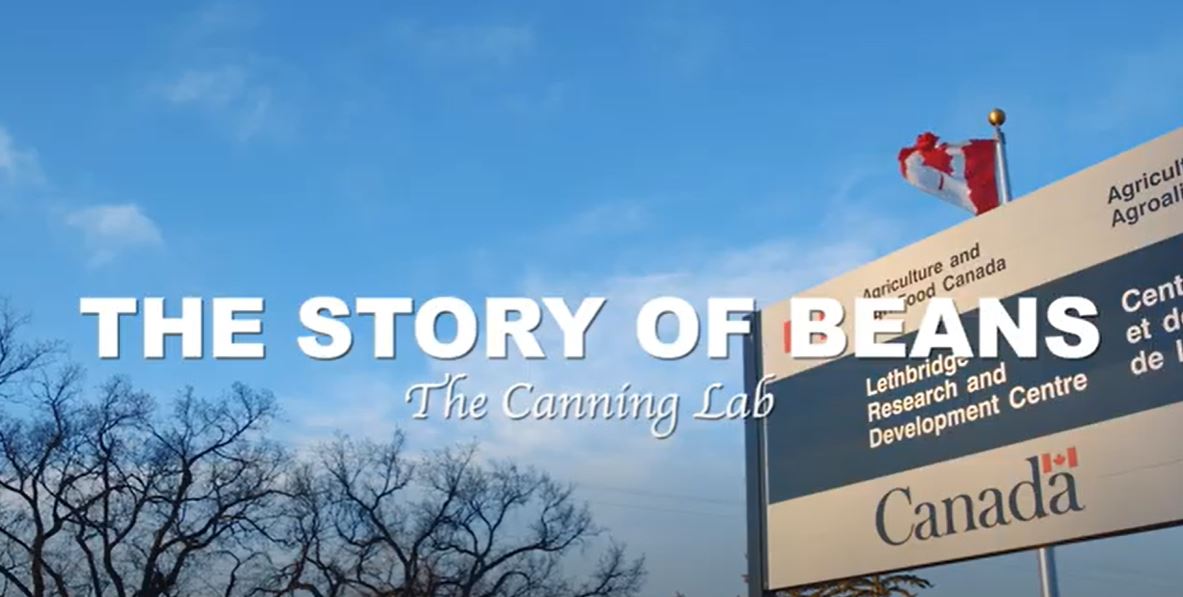
Story of Beans Episode 3: The Canning Lab

In Episode 3 of The Story of Beans, we explore what happens at the canning lab to ensure that Canadian-grown beans bought at the grocery store maintain their high quality. Get connected with your food! Learn about how beans are tested at Agriculture & Agri-Food Canada’s Lethbridge Research and Development Centre to improve canning and cooking quality. This project is funded by the Canadian Agricultural Partnership AgriScience Program, Alberta Pulse Growers, Manitoba Pulse and Soybean Growers, and Ontario Bean Growers.

Career Opportunity: Accounts Payable Administrator

If you are organized with a head for numbers, consider applying for the PT Accounts Payable Administrator position now available with Alberta Pulse Growers Commission (APG).

APG requires a highly organized and motivated person who is a capable accounting and administrative professional. If you are successful, you will be an integral part of a dynamic team working towards the vision of pulses on every farm, on every plate.

Reporting to the Business Manager, the successful applicant will be responsible for accounts payable, provide general support to the finance team, and complete special projects when required.

Click here to see the full job description including Responsibilities and Qualifications.

The position will be headquartered in Leduc, AB. Interested candidates are asked to submit a cover letter and detailed resume to the attention of Human Resources at office@albertapulse.com no later than 3:00 PM (MST) May 24, 2022.