Contact

Pea leaf weevil survey

By Shelley Barkley, Insect Survey Technologist, Alberta Agriculture & Forestry

This is not a forecast for 2021, but a summary of the pea leaf weevil situation in the spring of 2020.

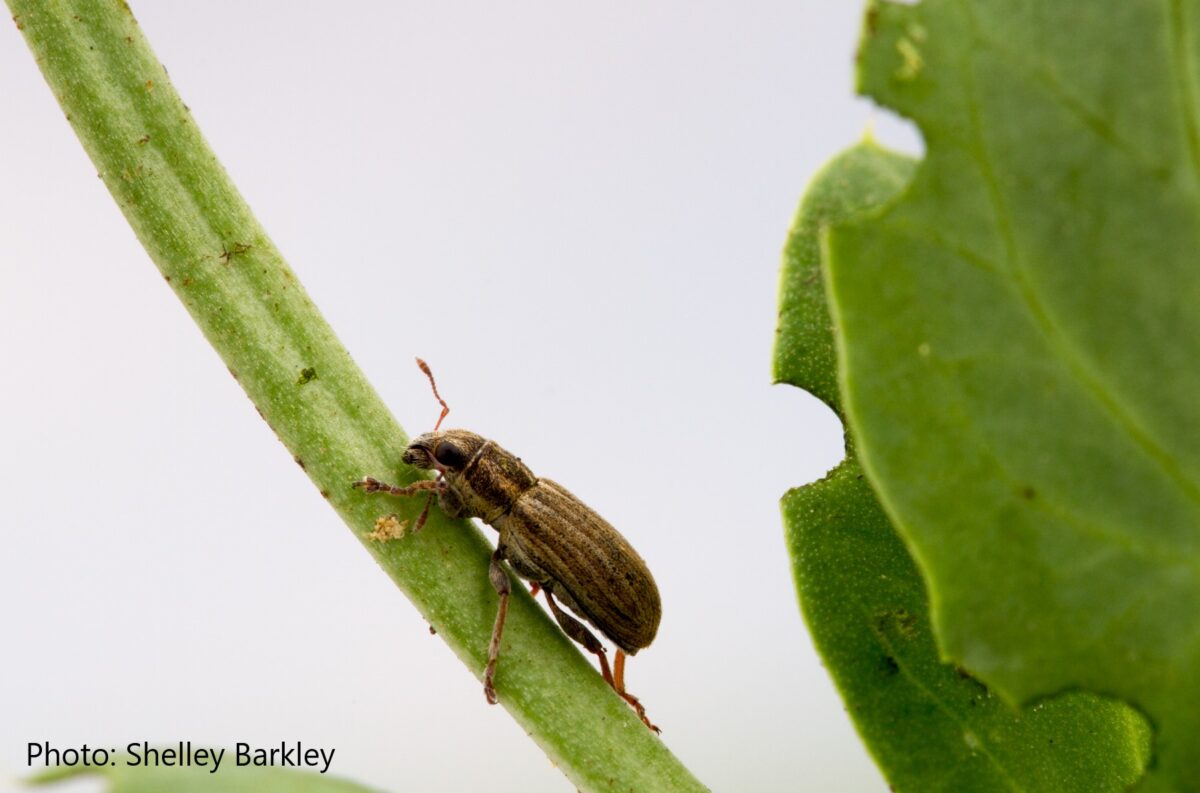
The annual pea leaf weevil (Sitona lineatus L.) survey was completed in late May and early June, 2020. The survey was based on damage ratings in 237 fields from 58 municipalities.

In each field, the total number of feeding notches per plant are counted on 10 plants in five locations near the field margin. The damage rating for a particular field is the average number of notches per plant. Although this survey concentrates on adult damage, yield losses are caused by the larval damage to the nitrogen fixing root nodules.

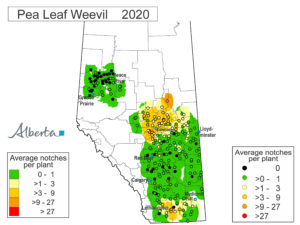
The highest damage ratings were around Edmonton. The population in southern Alberta remains at levels that could cause concern in random areas in the 2021. Numbers remain low in the Peace region, pea leaf weevil is established from southern Alberta through to the Peace. Survey locations shown with black circles had no evidence of pea leaf weevil feeding on any of the plants assessed.

Click here for a pdf of the map above.

While this is not a strict forecast, experience has shown us that activity levels greater than 9 notches per plant is sufficient to cause significant damage if spring conditions are favorable. This covers the irrigated area of southern Alberta and the region around Edmonton. For producers in these higher areas in 2020 there is a risk of damaging levels of pea leaf weevil in 2021. Producers should use this information along with their own experience to plan control strategies such as seed treatment for the 2021 crop year. Research has shown that seed treatment is much more effective in reducing losses from pea leaf weevil than foliar treatments.

Spring weather has an impact on the timing and severity of pea leaf weevil damage. When warm conditions (>20 C) persist for more than a few days in late April or early May the weevils arrive in fields early. Early weevil arrival corresponds to the potential for higher yield losses. In years where cool weather persists, the arrival of weevil can be much later; the resulting yield impact is lower especially when the crop advances past the 6-node stage before weevils arrive. Control decisions should be made on a field-by-field basis.

Since 2014 significant pea leaf weevil damage has been seen on faba beans in a much larger area than shown in this survey that is conducted on field peas. This insect causes as much or more damage on faba beans. The true economic damage of this insect on both peas and faba beans on the higher organic matter soils of central Alberta is not well understood, but research has been initiated to work out these relationships.

Thank you to Janet Lepp, Alberta Agriculture and Forestry for managing the data. Thank you to Raquel Neeser-Carazo and Brennan Folkerts, Alberta Agriculture and Forestry, for your contribution to the survey. Thank you David Giffen, Agriculture and Agri-Food Canada, Saskatoon for building the map.

For information about the pea leaf weevil and its life cycle click here.

Click here to see the range expansion of pea leaf weevil.

Lupin crops soon to be reality in Alberta

By Mark Olson

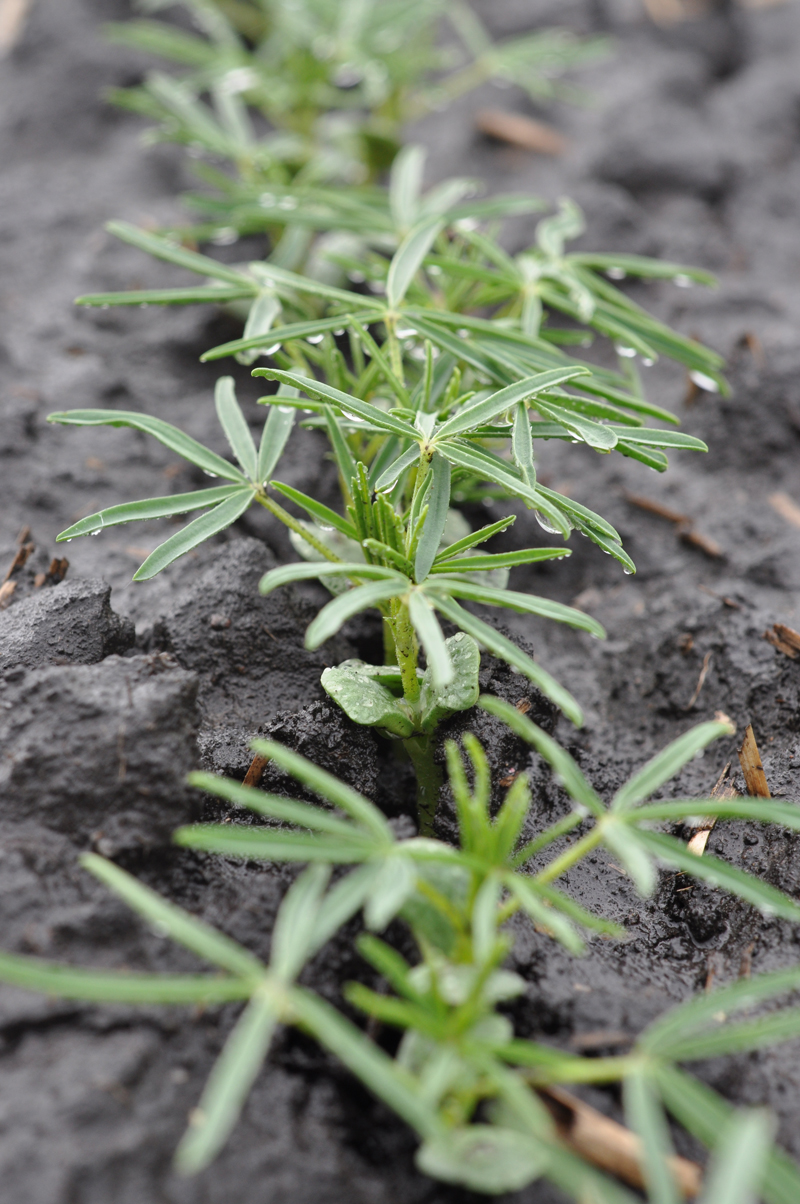
In the not too distant future, fields of lupin will start to appear in parts of Alberta. So, what is a lupin exactly, its area of adaptability in Alberta and potential market end uses?

Just like with field pea, lentil, faba bean, chickpea and dry bean, lupin fits into the category of pulse crops; annual grain legumes that fix nitrogen biologically from the air. When it comes to lupin, however, there are a number of plant physiological differences.

Globally there are 280 species of lupin, counting both annual and perennial with wild and domesticated kinds. It is common that the word “lupin” first conjures up the thought of ornamental flowers, but there are four of major significance: Lupinus albus (white), Lupinus luteus (yellow), Lupinus angustifolius (narrow leafed, blue) and Lupinus mutabilis (Andean pearl lupin). These agriculturally important species have been domesticated through breeding efforts; reducing their alkaloid levels, non-shattering pods and increasing soft seeds.

Lupin which have had alkaloids bred to lower levels are referred to as “sweet” lupin containing between 0.01% – 0.03% compared to the “bitter” lupin which contain 0.8 – 0.9% alkaloids.

Depending on the species, the seeds of lupin contain 30 – 40% protein, 25% fibre, 6 – 8% oil and 2% – 6% starch. This high level of protein with very little starch makes the crop appealing for protein fractionators struggling to find a market for the large quantities of by-product starch (field pea seed in comparison contains 18 – 26% protein and 35 – 40% starch).

Agronomic research in Alberta conducted by the department of Agriculture and Forestry has previously focused on L. angustifolius (narrow leafed, blue, sweet) lupin and in particular cv. Arabella. This species has white flowers with a blue tinge (the wild species, parentage, has blue flowers, hence the name). Unless otherwise specified, the term “lupin” will pertain specifically to ‘L. angustifolius’ in the rest of this article. 

Lupin can grow up to 1 metre (3 feet) in height, but many of the commercial varieties are shorter in height (by two thirds). Its growth is determinant in nature; meaning the plant has a defined number of days that it grows and then matures. In contrast the growth of white lupin (L. albus) is indeterminant, and the plant continues to grow and flower late into the growing season until it is terminated with a harvest aid product such Reglone (diquat).

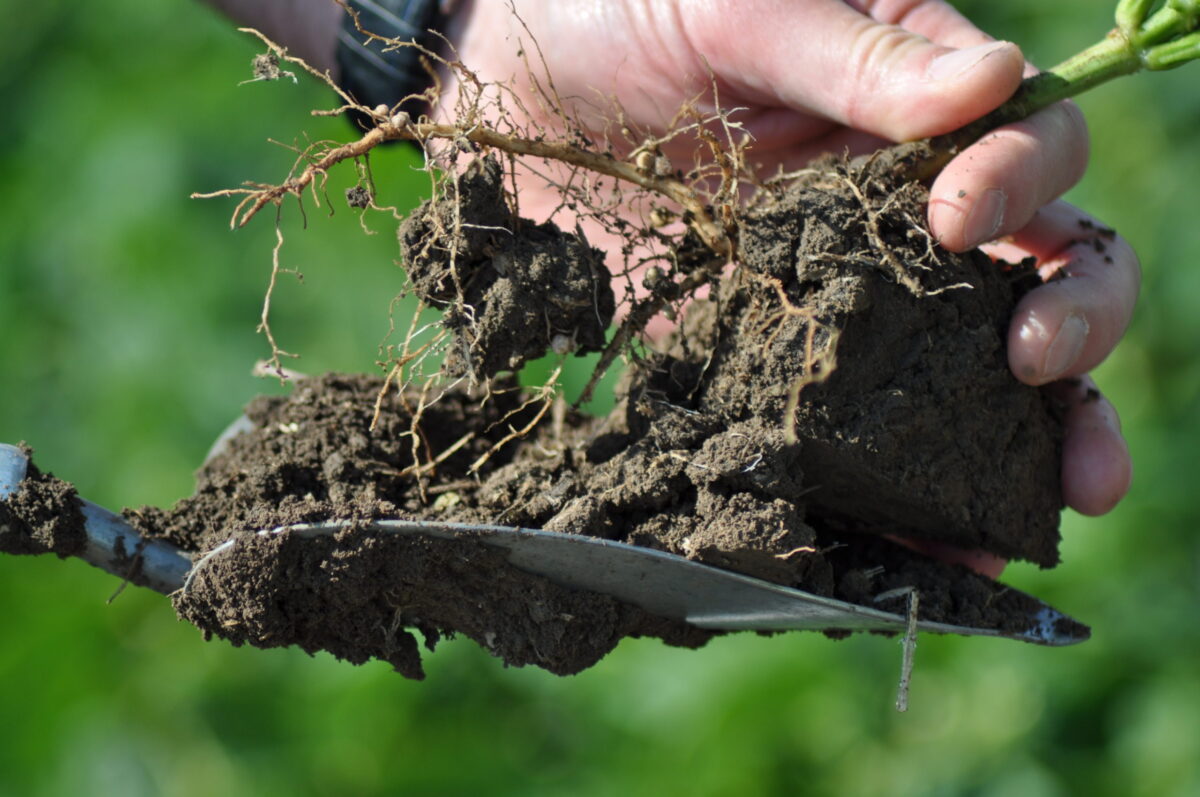
Lupin has a moderately deep, thick tap root (some species have longer tap roots and more lateral roots) compared to many other crop kinds, increasing the crop’s ability to scavenge water and other much needed nutrients. Lupin is ‘solid stemmed’ which makes for great standability but may contribute to shatter loss (despite breeding efforts) at harvest if the crop is overripe.

Lupin responds well to moderate temperatures and moderate to high (not excessive) evenly consistent moisture throughout the growing season. In the drier areas of the province, (especially on land that is part of the Palliser Triangle1) yields will be too low, making production of the crop uneconomical. Even while the irrigated parts of the southern province could possibly manage the crop’s moisture requirements, the soil’s high pH (due to calcium carbonate parental material) negatively affects the nodulation and growth of L. angustifolius. For that reason, soils above pH 7.0 should be avoided.

Another consideration in the irrigation districts is that there is strong competition for acres with crops with higher net returns such as hybrid canola, sugar beet, potato, dry bean, sweet pea, sweet corn, hemp, quinoa and timothy hay for the export market making lupin economically unfeasible for farmers to include in the crop rotation. That being said, white lupin (L. albus) can tolerate higher soil pH (up to pH 7.8) and may have potential for seed production under irrigation, but no research has yet been undertaken to confirm this.

Narrow leafed blue lupin is a late maturing crop requiring 110 – 120 frost free days and for this reason it should be the first crop planted on the farm during the spring. The crop needs to be seeded no later than May 7 as 120 frost free days would take the crop to September 7 (the average fall frost date across north central Alberta) ideally not being exposed to a fall frost event. Be sure to check local climate information as to when the average first fall frost occurs in your area and if earlier adjust the seeding date accordingly.

When it comes to market end uses as a substitute crop or its ingredients, lupin has suitability as a feed and food, as well as having bio-industrial applications. This crop kind as a plant protein source is comparable to soybean. Lupin, being a part of the pulse crops family, when consumed may also have positive human health attributes similar to those which is being researched currently in diabetes, cardiovascular diseases, metabolic syndrome and obesity.

While feed no doubt is currently the crop’s single largest use, food uses as an alternative ingredient, especially high protein and fibre, have been developed in Europe and South America.

Lupin is commonly substituted for soybean in the feeding of cattle, sheep, pigs, poultry and farmed fish. Lupin is fed to dairy cattle in Japan, South Korea, Europe and Australia and the latter (as a whole grain) fed to sheep. The aquaculture industries in Australia, Chile and Canada have either already begun using lupin as ingredient in fish rations for salmon or are seriously considering doing so (in order to replace fish meal which is seen as unsustainable.) The reason for replacing traditional fish meal is that lupin has exceptional qualities for fish feed including higher protein content, low levels of anti-nutritional factors (phytic acid, saponins, lectins and trypsin inhibitors), higher phosphorous digestibility and retention and valuable ‘pelleting’ qualities.

Protein fortification of foods is increasing globally. Lupin, because of its high protein content, is considered an excellent raw product. Like all pulse crops as well, lupin is gluten free which will be of enormous benefit to those manufacturers of gluten free products. Inclusion of the crop’s fractions would be a complement to certain cereal ingredients, balancing their amino acid profile as well as acting as a possible egg substitute in breads, cakes, biscuits, pancake mixtures and pasta, making these foods more nutritious. The deep, rich yellow colour of lupin (L. angustifolius) flour is of considerable interest in pasta making and noodle dishes. In Europe, one manufacturer is using lupin protein isolates in the production of mayonnaise, cheese spreads, yogurt, drinks and ice cream as plant based a dairy alternative. Pickled or canned lupin, as well as using the flour as a substitute for chickpea in hummus, is currently being produced commercially in Canada. Likewise, packaged lupin flakes are available commercially for use in salads, dips and vegetarian dishes as a way to increase daily dietary fibre and protein requirements. As well, lupin has been tested successfully as fermented food products such as tempeh, tofu and miso.

Lastly, active ingredients from plants, in the form of extracts, for medical and therapeutic products in human and animal health is increasingly being sought after by manufacturing companies. A sweet lupin peptide extract is currently being produced from lupin without chemically modifying the protein itself. This ‘all-natural’ protein extract has unique functional properties and is being used cosmetically and in personal healthcare formulations. Inclusion of the protein extract in shampoo and conditioners is found to extend hair colouring.

In closing, the commercialization of lupin makes a lot sense on many fronts and will be a welcomed addition to the crop rotation in Alberta.

1Palliser Triangle refers to an area in driest region of the Canadian prairies (southwestern Manitoba to southwestern Alberta and north to Saskatoon) that was surveyed by Captain Palliser in the 1800s which he described as an area of land almost “uninhabitable” because of the dry conditions.

* Mark Olson, formerly of Alberta Agriculture, led several lupin-focused research projects and continues to be an advocate of the potential of lupin.

Spring vs Fall Soil Sampling

By Doon Pauly, Agronomy Research Scientist
Alberta Agriculture and Forestry

Soil sampling and analysis produce a “snapshot” of the nutrient status of soil at a given moment in time. The results and corresponding recommendations can then be the basis for fertilizer application decisions. Soil analysis is most relevant when sampling occurs close to seeding because the nutrient “snapshot” is similar to what is available for the crucial early-season nutrient uptake period. Since most Alberta crops are spring-seeded, this would imply that spring is the optimal time for soil sampling, but this is not always the case and there are logistic and agronomic pros and cons for both fall and spring soil sampling.

Fall Sampling:

Pros:

  • The “window” for soil sampling in the fall is generally wider than is the case in the spring. Unless sampling equipment can work through frozen soil, spring sampling must happen in the relatively brief time between spring thaw and crop seeding.
  • Results and recommendations are available in the fall so informed fertilizer-related decisions, including fertilizer purchases, can be made during winter months.
  • In many cases, fall sampling seems so much more convenient than spring.

Cons:

  • Soil is a dynamic system and nutrient levels, particularly nitrogen (N) change throughout the year. Fall soil test nitrate-N may denitrify and be lost during spring snow-melt events. This is especially true for the black and grey soil zones which tend to have sufficient snow to produce denitrifying conditions in the spring. Over-winter denitrification losses are often, but not always, minimal in the brown and dark brown soil zones where winter snowfall is frequently insufficient to create water saturated surface soils in the spring.
  • Fall soil analysis-based fertilization plans usually include a “fudge” or “guess” factor to compensate for potential losses.


Spring Sampling:

Pros:

  • Spring soil test nutrients are unlikely to be lost from soil between sampling and the time the crop is growing and able to utilize them.
  • Fertilizer-related decisions based on spring sampling can be made with greater certainty and less guesswork than is the case with fall analysis.

Cons:

  • The entire process of field sampling, shipping, and lab analysis may take five or more business days, and may delay seeding operations, or at least add stress to decision makers.


Pointers for both fall and spring soil sampling:

  • Microbial activity will affect soil test N levels. There is minimal N mineralization when soils are 5-7°C or less, so delay fall sampling until soils have cooled to these temperatures. In spring sample as early as possible when soils are thawed but still within this 5-7°C or less temperature range, even for late-seeded crops like dry beans or soybeans.
  • Some sampling equipment can auger or core through frozen soils. Frozen soil sampling can produce reliable results if samples are handled properly and the lab receives representative material.
  • Refrigerate soil soon after it is taken from the field. Deliver samples directly to a local lab or ship with “Next Day” or “Overnight” delivery to minimize the potential for samples sitting in warm conditions.
  • Sulphur (S) and N are both soluble and move in soil as water moves. After growing seasons with above average or well above average growing season rainfall, both N and S may have moved from the nutrient-rich surface soil to sub-surface horizons. Sample deep enough to capture these nutrients at depth.

Harvesting & Storing Pulse Crops

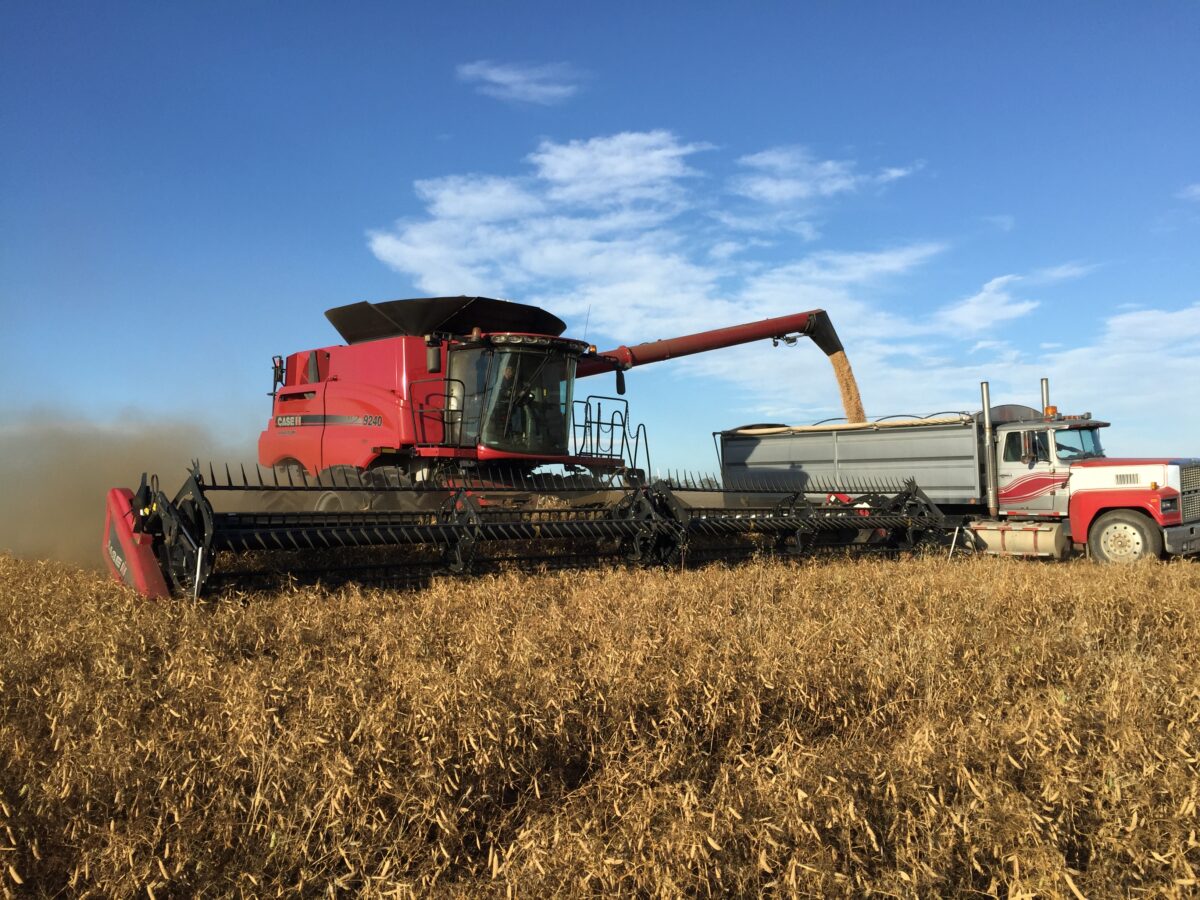
The annual migration of the sun across the horizon coincides with harvest and the arrival of new crop. Pulse growers are often the first out harvesting, either peas, lentils or chickpeas. Faba beans and soybeans tend to be ready later in the harvest season. Given market disruptions are still in place in key markets including India, growers are looking for information on harvest tips to maintain premium quality pulses and insight into storage in case of pulse carry-over from last crop year in anticipation of a return to near normal prices for peas and lentils.

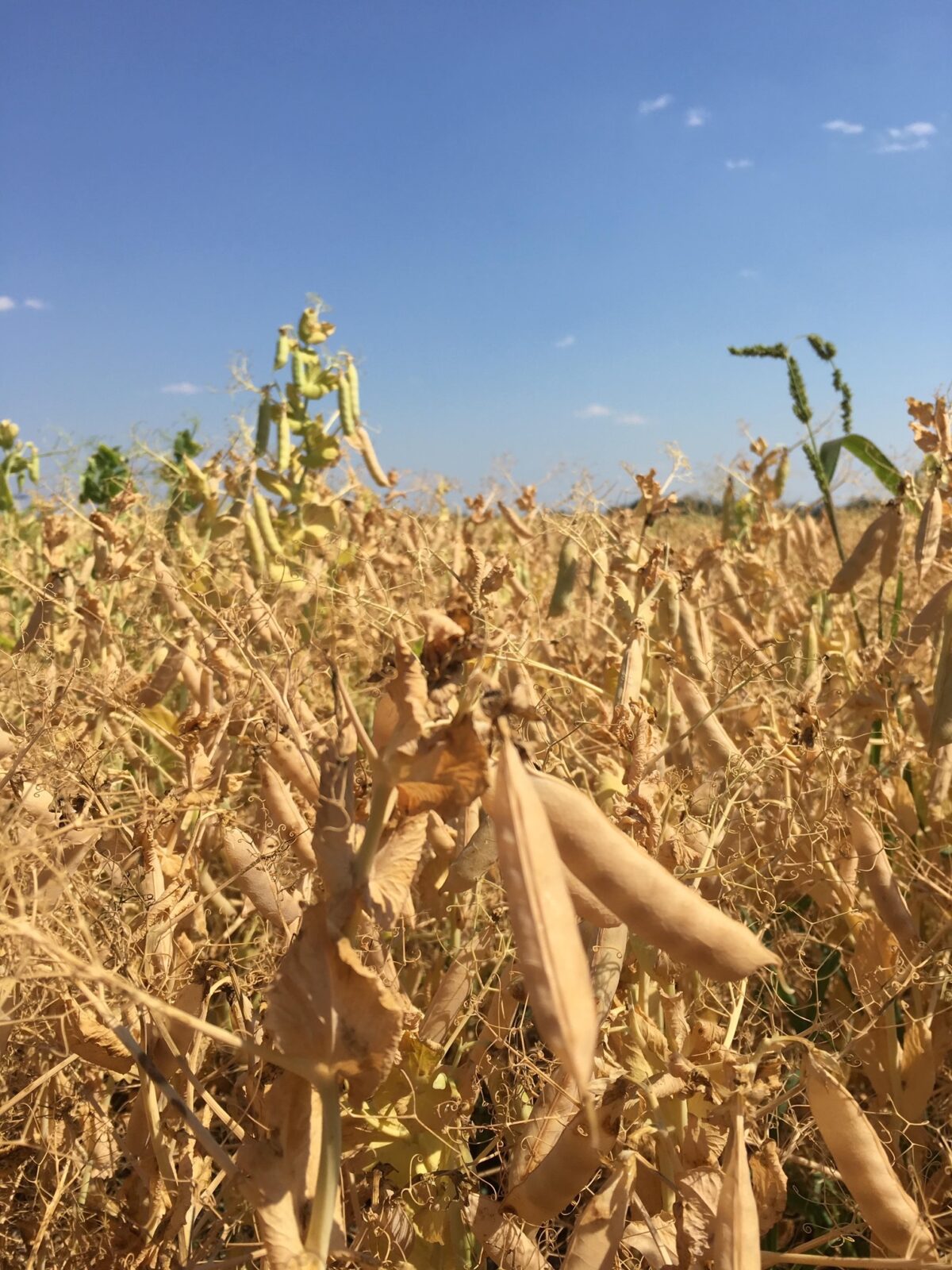
Harvesting pulses can be a challenge. Wind, rain and heavy stands can result in lodging or, in some cases, the crop completely lays over (peas). Providing the field was rolled after seeding, in most cases, experienced operators with the right headers can harvest almost all the lodged crop. Lifters, rock damns and other aftermarket accessories can provide growers a smoother harvest experience. Flex headers with tilt options as well as draper headers and pea augers are features that seasoned pulse growers are often seeking to help with harvest. Lentils, although a shorter crop, still stand erect and are not usually as challenging as a lodged pea crop. In the case of all pulses, care should be used when threshing to minimize cracks, splits and damage to seeds. Chickpeas have small beaks connected to the seed coat and require special attention to avoid separating from the seed. Harvesting of pulses can begin when the seed moisture is still above commercially dry. In the case of peas, dry at 16% moisture, experienced growers begin combining between 19-20% moisture to minimize cracks and splits. Peas, lentils, chickpeas and fabas can all be dried in aeration down to their commercially dry specifications quite rapidly and without concern.

Producers do have to pay attention to temperature while binning pulse crops. Although moisture content may be near targets, the temperatures of harvested pulse crops themselves can be quite warm. Care should be taken, especially with lentils and peas harvested at ambient air temperatures over 20 degrees Celsius. Temperature and moisture are the contributing factors to growth of moods and fungi that can result in spoiling, heating, and subsequent crop quality downgrades. Conditioning, by coring the entire centre of the bin through removing two or three loads (depending on size of bin and size of trucks) can be a good strategy to ensure moisture migration following harvest does not result in spoiling at the top of the bin (winter) or the bottom of the bin (spring).

Handling of pulse crops should be done with attention, and, where possible, conveyors should be used. When using augers, ensure the motor is not running at full throttle (low to mid) and ensure the auger is full of product. This minimizes cracks and splits in the augering process. Care should be taken to avoid augering and dropping crop from high heights where possible and to minimize additional handling if at all possible.

Many farmers are exploring the option of carrying over peas and lentils to subsequent crop years. Peas are a good option for storing longer term. Peas have lower tannins than green lentils or fabas. Over time, tannins in the seed coat cause oxidation and discolouration can occur. High tannin faba beans, Desi chickpeas, maple peas and high tannin lentils run a greater risk of oxidation if storing additional crop years, something to be aware of if considering longer term storage. Once in storage, it is important to monitor bins as sweating can occur months down the road and can lead to spoiling within areas of the bin. Pulling a few loads from the core of the bin is the prudent way to ensure your pulses are conditioned and will continue to make the grade when delivered into the future.

If you have any questions about storing pulses, reach out to Dr. Jenn Walker (jwalker@albertapulse.com or @APGResearch on Twitter).

Keep It Clean Resources for Pulse Growers

Canada exports close to $4 billion of pulse crops to over 130 countries annually, and shipments containing even the smallest amount of unacceptable pesticide residue can be rejected, causing millions of dollars in losses and putting key markets at risk.

Market access is important to the Canadian pulse industry, and both growers and their advisors play a key role in keeping the doors to export markets open. By knowing the market impact of crop protection product choices and taking steps to mitigate risk, we can ensure Canada’s pulses continue to meet the needs of our domestic and export customers.

Help protect Canada’s reputation as a quality supplier by following the Keep it Clean guidelines to grow a market ready crop.