Agronomy Update 2025 Registration Now Open
The Agronomy Update 2025 site is now live! Reserve your seat for this online event on January 14 & 15 to receive timely agronomic information for farmers & agronomists at www.agronomyupdate.ca
Join Team Alberta Crops for a FREE breakfast during Agri-Trade in Red Deer on Nov. 15. Register here to learn more about the important policy issues affecting the future of farming in Alberta. Speakers include: Hon. RJ Sigurdson – Minister of Agriculture and Irrigation; Aaron Goertzen – Director, Senior Economist at BMO Capital Markets; and Mathew Preston – Manager, Government Relations at Canadian Strategy Group.

Plant 24 is a marathon not a sprint, so take care of yourself! APG Research & Extension Manager Dr. Jenn Walker reminds farmers of key everyday actions to promote mental health in this quick video.
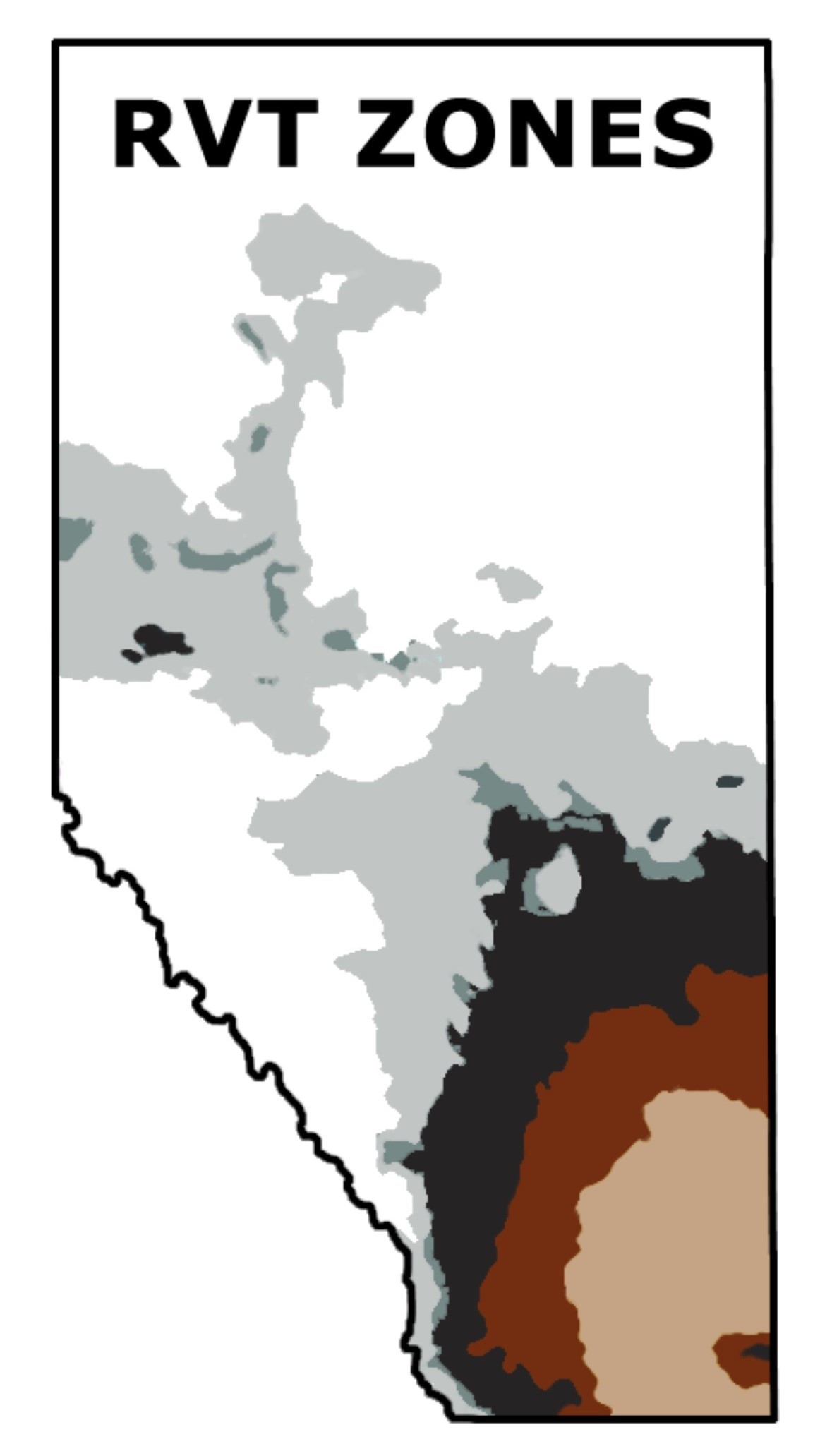
Pulse Regional Variety Trial (RVT) results are now presented by soil zone to be more reflective of conditions. Check it out under Pulse RVT on the APG app! Don’t have the app? Download it here.
Alberta Pulse Growers (APG) invested almost $2 million in pulse research projects through the recently announced Sustainable Canadian Agricultural Partnership (S-CAP) AgriScience Program – Clusters Component. The total value of research included under the five-year AgriScience Pulse Cluster is more than $21 million, with $11 million coming from AAFC and $10.4 million from other funders.
Projects funded under this Pulse Cluster aim to make advancements in critical areas to make growers more efficient and profitable, as well as benefit the pulse industry overall.
Learn more about the specific projects, target outcomes, and why this research will benefit growers:
Resilient Agricultural Landscape Program Promotes Sustainable Farming Practices
The Resilient Agricultural Landscape Program (RALP), under the Sustainable Canadian Agricultural Partnership, a federal-provincial-territorial initiative, support producers in implementing sustainable farming practices across Alberta, with a primary focus on enhancing environmental resilience. By supporting producers in the adoption of beneficial management practices (BMPs), RALP aims to maximize the provision of Ecological Goods & Services (EG&S), including increased carbon sequestration and enhanced climate resilience.
A key feature of RALP is providing grants that may cover up to one hundred percent of eligible expenses for approved projects over a three-year term. These projects include a range of beneficial management practices aimed at improving ecological function on agricultural lands, benefiting producers and the environment.
Eligible projects include pasture management and riparian area management, among others. Pasture management projects may involve fencing and off-site watering systems to manage livestock access for rotational grazing, reducing the pressure exerted on natural resources by livestock. While riparian area management projects focus on protecting riparian areas — areas around rivers, streams, lakes, and wetlands — through measures such as fencing and off-site watering systems. Riparian area management adds habitat for wildlife and water management function to the landscape.
To qualify for funding, applicants must demonstrate that their BMP projects meet the minimum requirements. Applicants may choose to adopt allowable enhancements to further enhance the environmental benefits of their projects. In addition to covering applicant’s implementation costs, the program may pay an opportunity cost for some BMPs. An impact adjustment payment of up to fifteen percent may also be added to the total grant amount based on factors including project size, carbon sequestration potential, and water quality enhancement.
The program funding maximum is $150,000 for active primary producers and $300,000 for grazing associations, community pastures, and Indigenous applicants. Applications will be accepted and reviewed on a continuous basis within the intake period: February 1 to November 30, 2024.
It’s important to note that successful applicants must complete and implement their eligible BMP activities within the first year and maintain them for the remainder of the three-year agreement. Applications are only retroactive to the start date of each intake cycle year. Projects must be established within the term of each intake cycle.
For more information about the Resilient Agricultural Landscape Program and how to apply, visit https://www.alberta.ca/resilient-agricultural-landscape-program. To get one-on-one help with your application, call 1-866-310-RALP or email info@RALP.ca.

Your production data can help market the sustainability of Canadian chickpeas around the world. Pulse Canada is working to assess the environmental impact of Canadian chickpea production through a grower survey capturing production data. The results will be used to create a Life Cycle Assessment for Canadian chickpeas, a critical report in proving the sustainability of ingredients to food manufacturers globally. The survey will be open until March 31. Each respondent who submits a completed survey will be compensated with a $20 Amazon gift card. Click here for more information.
Biodiversity benefits beneficial insects
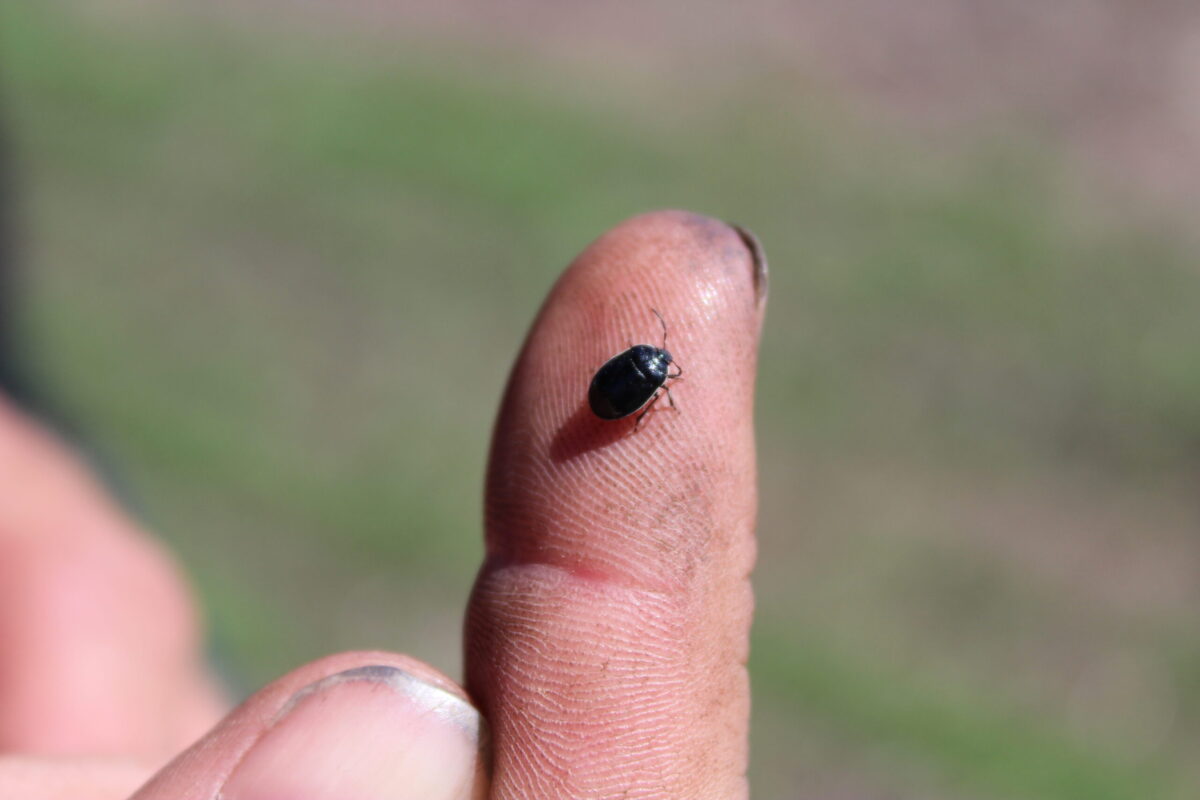
Beneficial insects are the Field Heroes who work to control pest populations on the farm, but they can only live where there is suitable habitat. That’s one of the reasons why biodiversity is an important factor for farmers to consider when managing their land.
“Biodiversity refers to everything living within an area and that includes animals, plants, fungi and bacteria,” explains Nevin Rosaasen, Sustainability and Government Relations Lead, Alberta Pulse Growers. “Just as biodiversity is really important in our soils and forests, insect biodiversity is also very important when it comes to broadacre agriculture, specifically in western Canada.”
Continue reading this article from last year’s Pests & Predators podcast series here.
The Field Heroes campaign was developed by Western Grains Research Foundation to increase awareness of beneficial insects and the important role they play in pest management. Stay tuned for season five of the Pests & Predators Podcast, beginning March 18, 2024. https://fieldheroes.ca/resources/#podcast
(Regular updates will be available on the Alberta Pulse Growers website.)
Pulse Canada and the CSCA are partners of the Ag Transport Coalition (ATC)*, which tracks performance of the Canadian railway network for the movement of grain.
A new grain network status report has been created to provide stakeholders with comprehensive insight on the performance of the Canadian rail system for the 2020-2021 grain year. The report provides information and data on the status of the rail network as of midnight the previous day.
The railway performance data reported in these reports reflect the performance of rail shipments specifically for grain shippers participating in the Ag Transport Coalition’s railway performance measurement program – estimated to encompass approximately 90-95% of western Canadian originated grain shipments by rail.
December 13, 2023: Report Synopsis
Loads on Wheels
A modest uptick in system loads on wheels yesterday stemming a three day slide and returning north of 7,900 cars remaining below the 8,000 car mark for the 2nd straight day.
Little movement seen for either railway yesterday with CN volumes declining slightly while CP saw a modest increase.
Cars Not Moving
Short lived improvement in the number of cars dwelling for 48+ hours with a significant improvement seen a day ago reversed in large part yesterday with system totals returning north of 1,400 cars.
Both railways seeing higher counts yesterday although more notably CP which saw counts nearly double in the last 24 hours return north of 1,000 cars.
Port Unloads
West coast unloads (664) down considerably from the prior day with lower unloads at Vancouver and no unloads at Prince Rupert likely due to delayed reporting.
Thunder Bay unloads (331) down from the last couple of days but strong nonetheless remaining north of 300 cars for the 3rd straight day.
For more information, go to www.agtransportcoalition.com* The Ag Transportation Coalition is comprised of the Canadian Canola Growers Association (CCGA), Alberta Wheat Commission (AWC), Pulse Canada, Manitoba Pulse Growers Association (MPGA), Western Grain Elevator Association (WGEA), Saskatchewan Wheat Development Commission, Inland Terminal Association of Canada (ITAC) and the Canadian Special Crops Association (CSCA). All daily network status reports are available on the Pulse Canada website.