Contact

Spring vs Fall Soil Sampling

By Doon Pauly, Agronomy Research Scientist
Alberta Agriculture and Forestry

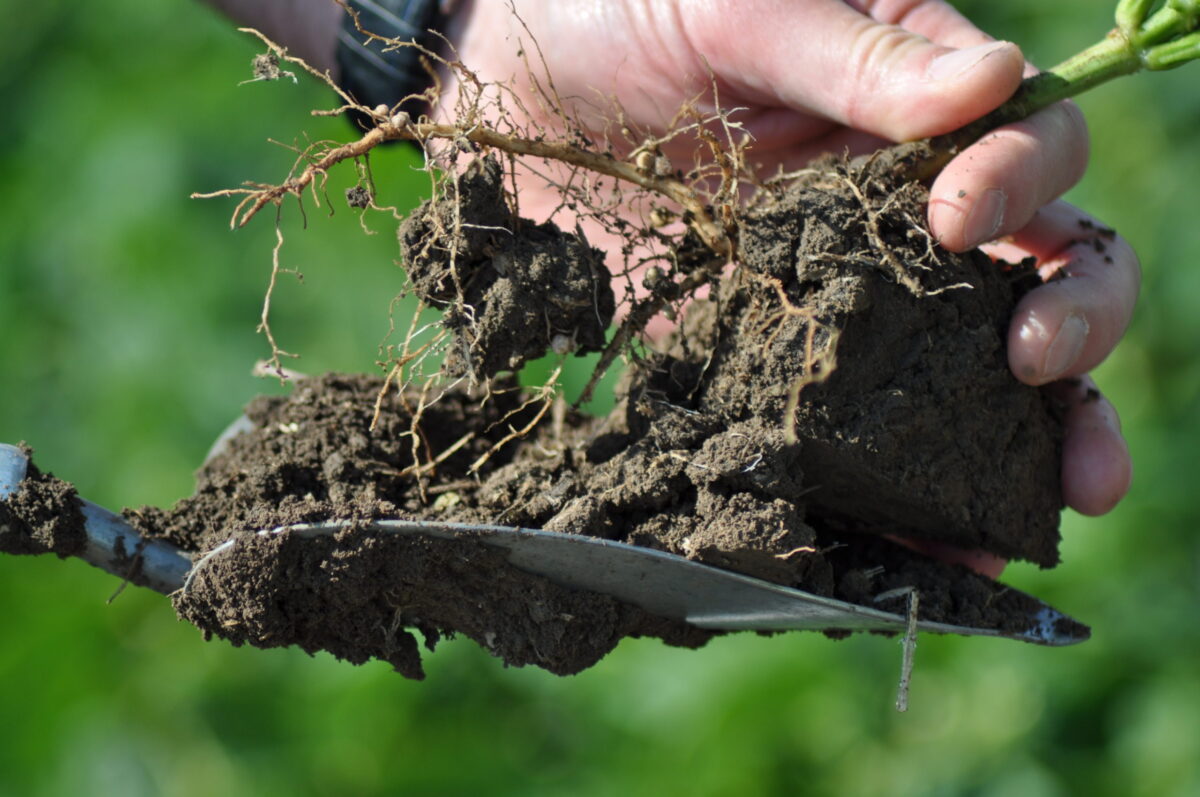
Soil sampling and analysis produce a “snapshot” of the nutrient status of soil at a given moment in time. The results and corresponding recommendations can then be the basis for fertilizer application decisions. Soil analysis is most relevant when sampling occurs close to seeding because the nutrient “snapshot” is similar to what is available for the crucial early-season nutrient uptake period. Since most Alberta crops are spring-seeded, this would imply that spring is the optimal time for soil sampling, but this is not always the case and there are logistic and agronomic pros and cons for both fall and spring soil sampling.

Fall Sampling:

Pros:

  • The “window” for soil sampling in the fall is generally wider than is the case in the spring. Unless sampling equipment can work through frozen soil, spring sampling must happen in the relatively brief time between spring thaw and crop seeding.
  • Results and recommendations are available in the fall so informed fertilizer-related decisions, including fertilizer purchases, can be made during winter months.
  • In many cases, fall sampling seems so much more convenient than spring.

Cons:

  • Soil is a dynamic system and nutrient levels, particularly nitrogen (N) change throughout the year. Fall soil test nitrate-N may denitrify and be lost during spring snow-melt events. This is especially true for the black and grey soil zones which tend to have sufficient snow to produce denitrifying conditions in the spring. Over-winter denitrification losses are often, but not always, minimal in the brown and dark brown soil zones where winter snowfall is frequently insufficient to create water saturated surface soils in the spring.
  • Fall soil analysis-based fertilization plans usually include a “fudge” or “guess” factor to compensate for potential losses.


Spring Sampling:

Pros:

  • Spring soil test nutrients are unlikely to be lost from soil between sampling and the time the crop is growing and able to utilize them.
  • Fertilizer-related decisions based on spring sampling can be made with greater certainty and less guesswork than is the case with fall analysis.

Cons:

  • The entire process of field sampling, shipping, and lab analysis may take five or more business days, and may delay seeding operations, or at least add stress to decision makers.


Pointers for both fall and spring soil sampling:

  • Microbial activity will affect soil test N levels. There is minimal N mineralization when soils are 5-7°C or less, so delay fall sampling until soils have cooled to these temperatures. In spring sample as early as possible when soils are thawed but still within this 5-7°C or less temperature range, even for late-seeded crops like dry beans or soybeans.
  • Some sampling equipment can auger or core through frozen soils. Frozen soil sampling can produce reliable results if samples are handled properly and the lab receives representative material.
  • Refrigerate soil soon after it is taken from the field. Deliver samples directly to a local lab or ship with “Next Day” or “Overnight” delivery to minimize the potential for samples sitting in warm conditions.
  • Sulphur (S) and N are both soluble and move in soil as water moves. After growing seasons with above average or well above average growing season rainfall, both N and S may have moved from the nutrient-rich surface soil to sub-surface horizons. Sample deep enough to capture these nutrients at depth.

Is it time to apply fungicide?

With all this moisture, fungicide applications are likely a “when” not an “if” this year. To get full value out of an application, proper timing is a must! Dr. Jenn Walker, Research Manager for Alberta Pulse Growers, discusses the factors to look at when deciding whether to spray fungicide on field peas.

Ascochyta in Peas Video

Wondering about Aschochyta in peas and whether to use a fungicide? Join Dr. Jenn Walker as she scouts and assesses peas to determine whether or not a fungicide application is warranted.

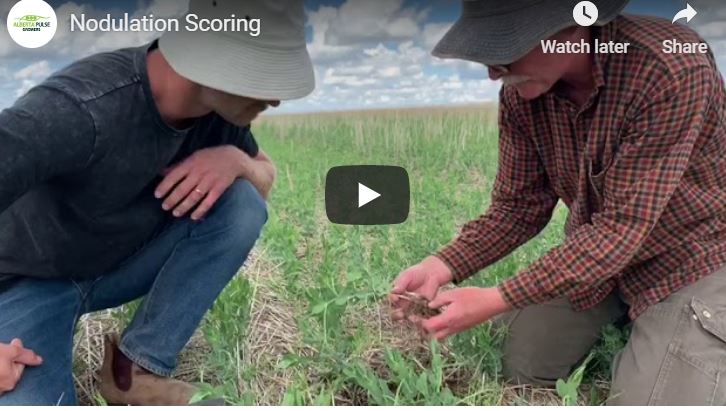
Nodulation Scoring Video

Join Nevin Rosaasen, Rob Dunn and friends to assess and score nodules in field peas. Learn how to scout, sample, score and determine how effectively your inoculant and nodulation performed.

Harvesting and Storing Pulse Crops 

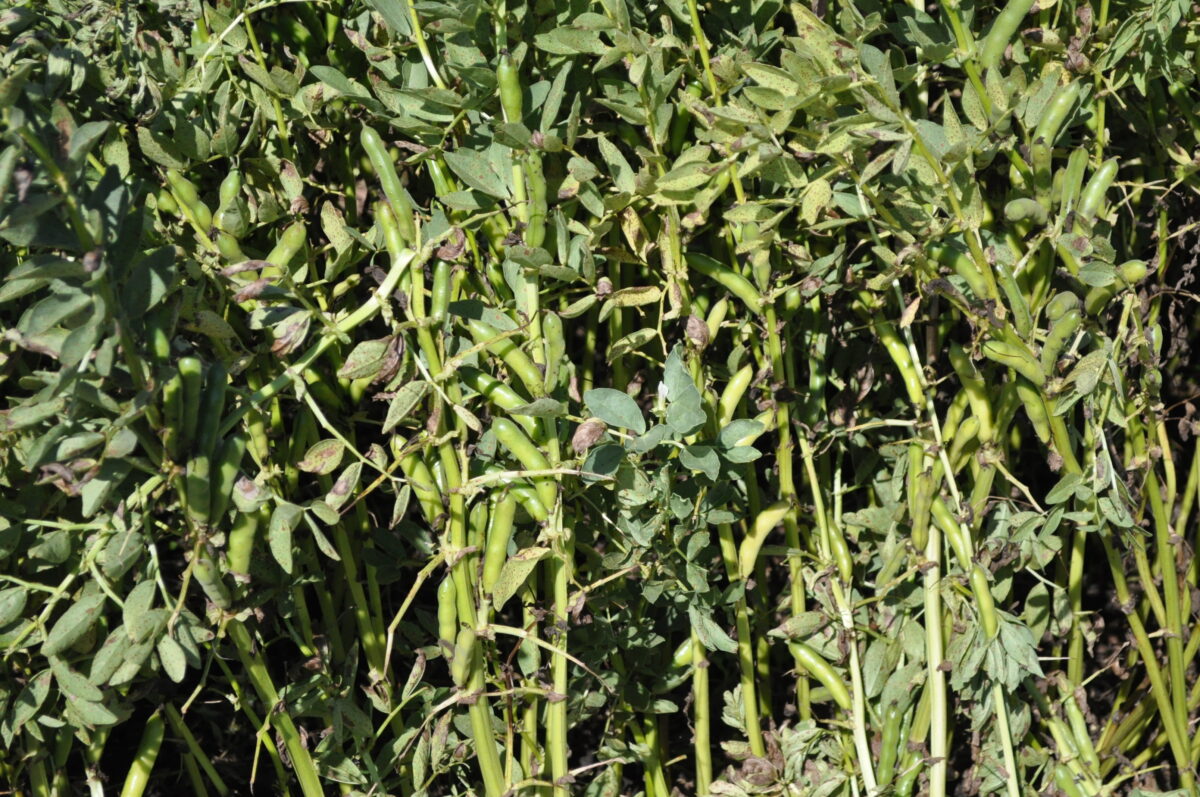
The annual migration of the sun across the horizon coincides with harvest and the arrival of new crop. Pulse growers are often the first out harvesting, either peas, lentils or chickpeas. Faba beans and soybeans tend to be ready later in the harvest season. Given market disruptions are still in place in key markets including India, growers are looking for information on harvest tips to maintain premium quality pulses and insight into storage in case of pulse carry-over from last crop year in anticipation of a return to near normal prices for peas and lentils.

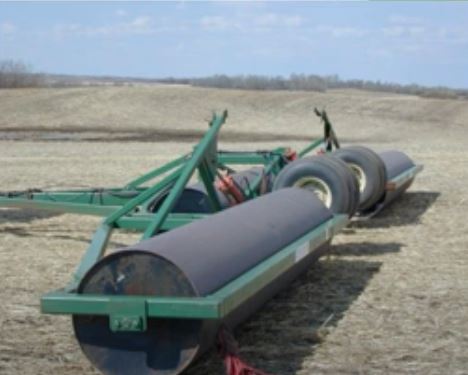
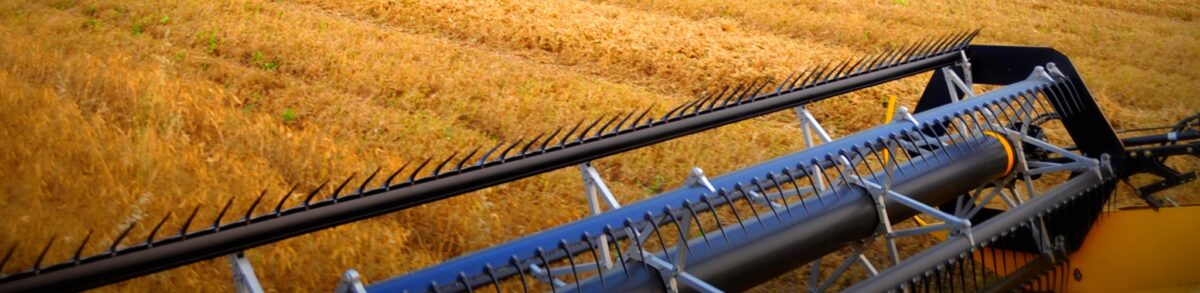
Harvesting pulses can be a challenge. Wind, rain and heavy stands can result in lodging or, in some cases, the crop completely lays over (peas). Providing the field was rolled after seeding, in most cases, experienced operators with the right headers can harvest almost all the lodged crop. Lifters, rock damns and other aftermarket accessories can provide growers a smoother harvest experience. Flex headers with tilt options as well as draper headers and pea augers are features that seasoned pulse growers are often seeking to help with harvest. Lentils, although a shorter crop, still stand erect and are not usually as challenging as a lodged pea crop. In the case of all pulses, care should be used when threshing to minimize cracks, splits and damage to seeds. Chickpeas have small beaks connected to the seed coat and require special attention to avoid separating from the seed. Harvesting of pulses can begin when the seed moisture is still above commercially dry. In the case of peas, dry at 16% moisture, experienced growers begin combining between 19-20% moisture to minimize cracks and splits. Peas, lentils, chickpeas and fabas can all be dried in aeration down to their commercially dry specifications quite rapidly and without concern.

Producers do have to pay attention to temperature while binning pulse crops. Although moisture content may be near targets, the temperatures of harvested pulse crops themselves can be quite warm. Care should be taken, especially with lentils and peas harvested at ambient air temperatures over 20 degrees Celsius. Temperature and moisture are the contributing factors to growth of moods and fungi that can result in spoiling, heating, and subsequent crop quality downgrades. Conditioning, by coring the entire centre of the bin through removing two or three loads (depending on size of bin and size of trucks) can be a good strategy to ensure moisture migration following harvest does not result in spoiling at the top of the bin (winter) or the bottom of the bin (spring).

Handling of pulse crops should be done with attention, and, where possible, conveyors should be used. When using augers, ensure the motor is not running at full throttle (low to mid) and ensure the auger is full of product. This minimizes cracks and splits in the augering process. Care should be taken to avoid augering and dropping crop from high heights where possible and to minimize additional handling if at all possible.

Many farmers are exploring the option of carrying over peas and lentils to subsequent crop years. Peas are a good option for storing longer term. Peas have lower tannins than green lentils or fabas. Over time, tannins in the seed coat cause oxidation and discolouration can occur. High tannin faba beans, Desi chickpeas, maple peas and high tannin lentils run a greater risk of oxidation if storing additional crop years, something to be aware of if considering longer term storage. Once in storage, it is important to monitor bins as sweating can occur months down the road and can lead to spoiling within areas of the bin. Pulling a few loads from the core of the bin is the prudent way to ensure your pulses are conditioned and will continue to make the grade when delivered into the future.

If you have any questions about storing pulses, reach out to Dr. Jenn Walker (jwalker@albertapulse.com or @APGResearch on Twitter) and/or Nevin Rosaasen (nrosaasen@albertapulse.com or @APGExtension on Twitter).