Faba Bean
Weed Control
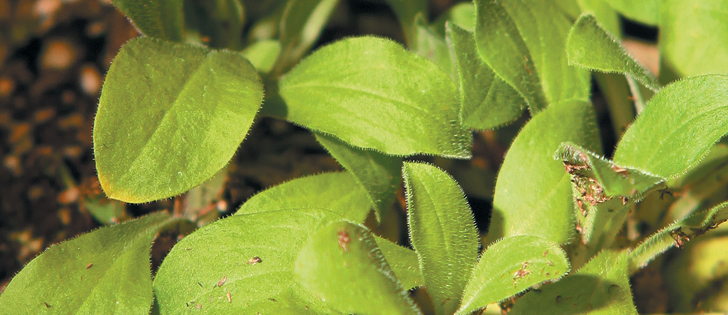
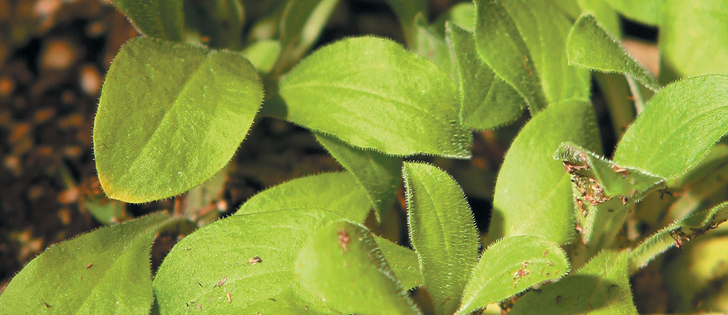
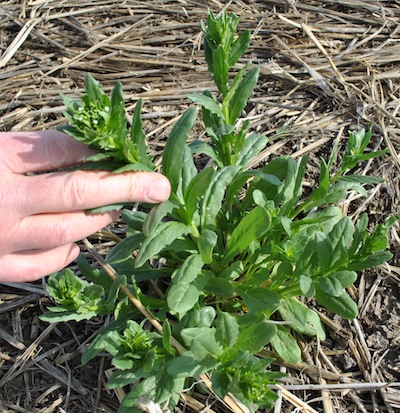
Cow Cockle, Photo Credit: The Western Producer
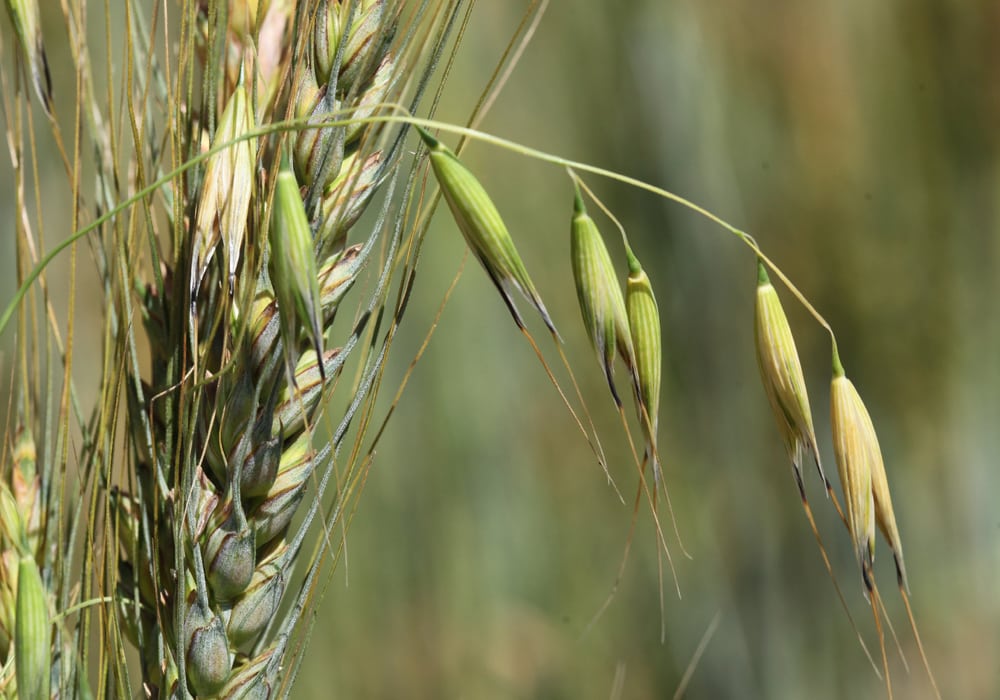
Good weed control is essential for optimum faba bean production. Faba bean is a poor competitor with weeds especially in the seedling stage – in research plots, faba bean seed yield was reduced by as much as 85% when wild oat levels were high.
Challenges include:
For all of these reasons, it is important to take an integrated approach to weed control which combines cultural measures, preventative measures, and effective use of herbicides.
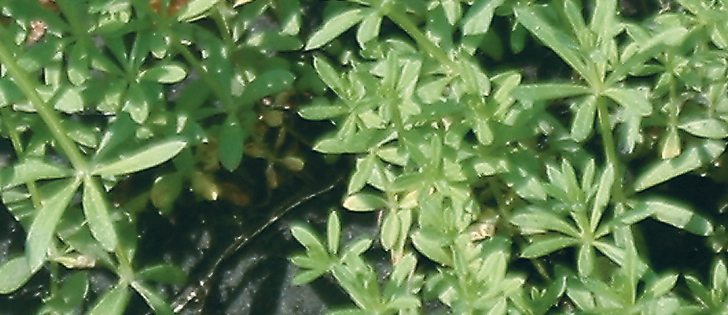
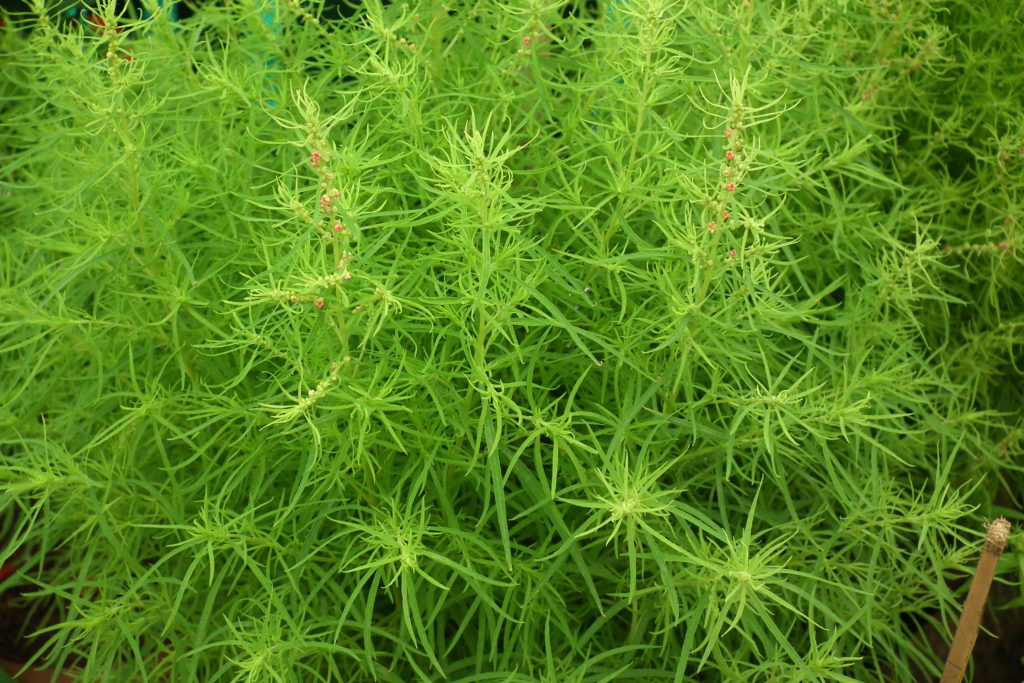
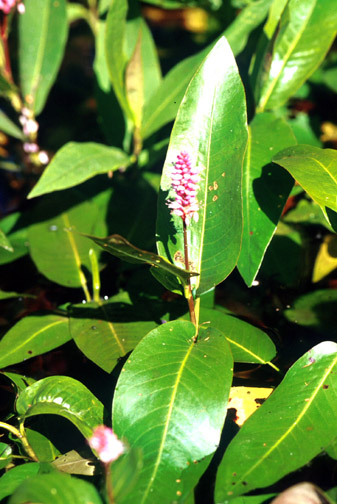
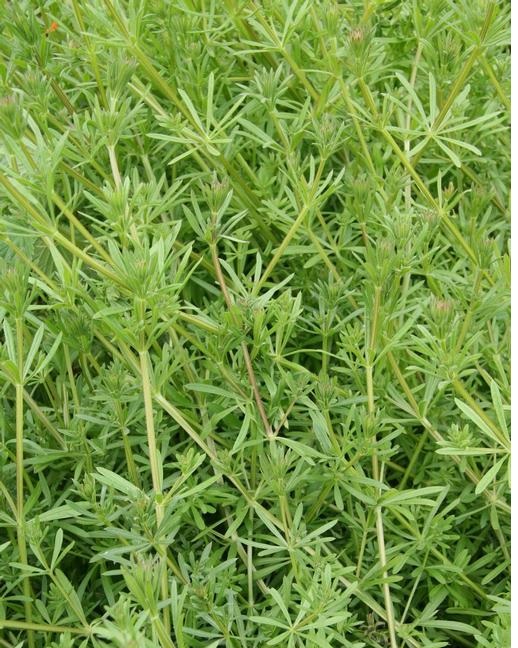
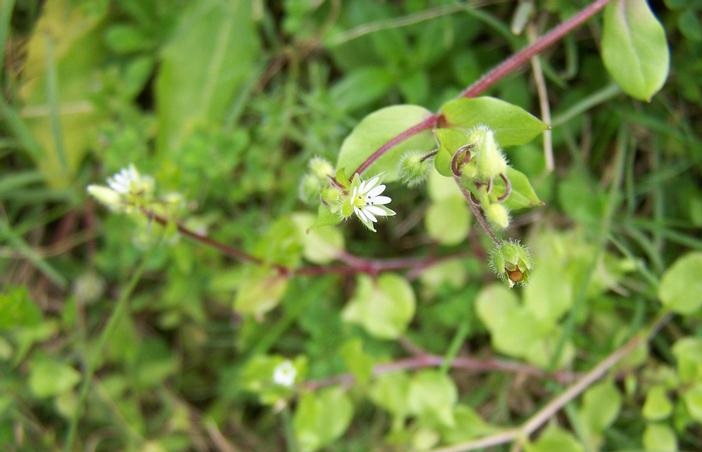
The major weeds of concern in faba bean crops are Canada thistle and perennial sow thistle. Other significant weeds include cow cockle, round leaf mallow, blue burr, cleavers, and wild tomato.
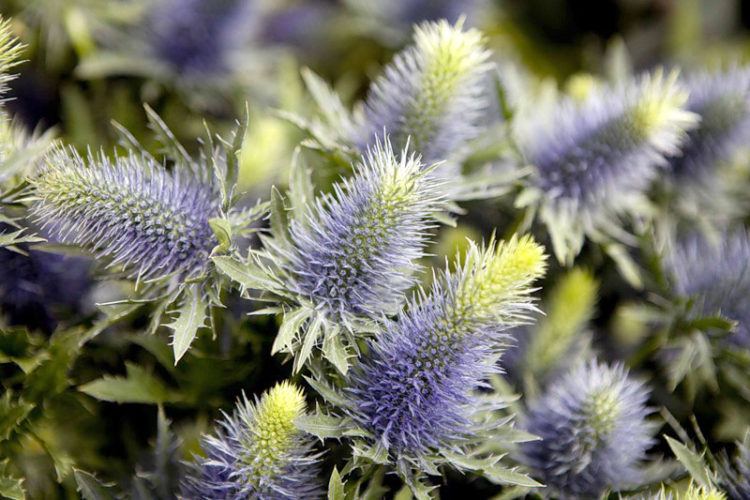
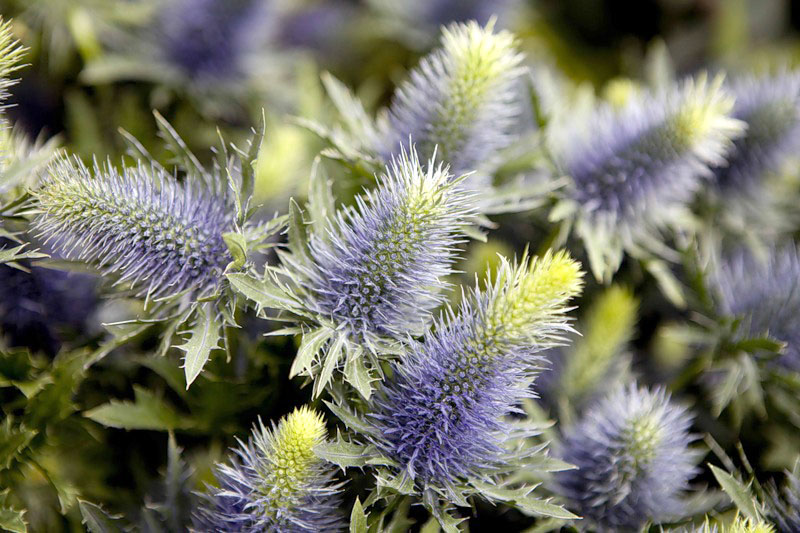
Blue Burr, Photo Credit: Alaska Department of Agriculture
| Knowing your field’s weed history |
|
| Choose clean fields, free of herbicide residues |
|
| Maintain Accurate records of herbicide use |
|
Knowing your field’s weed history |
|
Choose clean fields, free of herbicide residues |
|
Maintain Accurate records of herbicide use |
|

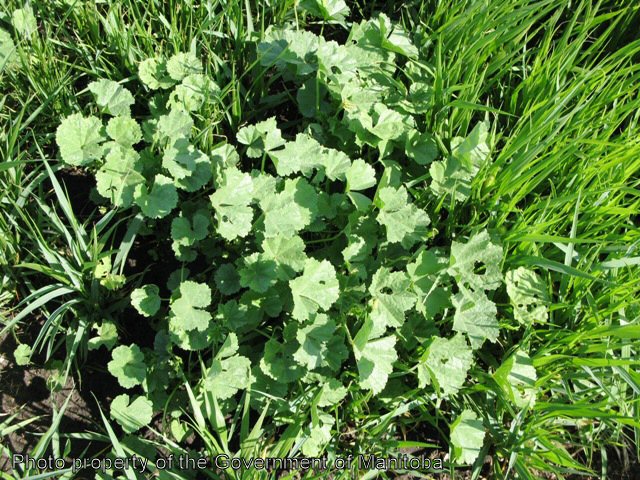
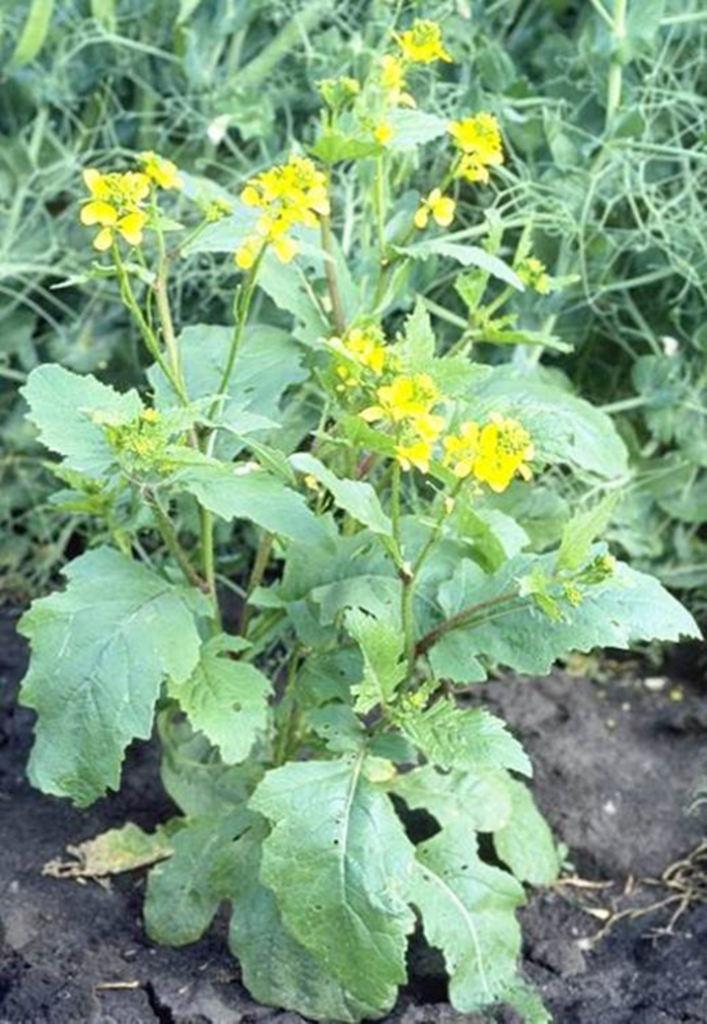
Round Leaf Mallow, Photo Credit: Province of Manitoba
| Crop Rotation |
|
| SANITATION |
|
| Seed/Seeding Rates |
|
| Tillage |
|
| Rod-Weeding |
|
| Harrowing |
|
| Post-Emergence Harrowing |
|
Crop Rotation |
|
SANITATION |
|
Seed/Seeding Rates |
|
Tillage |
|
Rod-Weeding |
|
Harrowing |
|
Post-Emergence Harrowing |
|
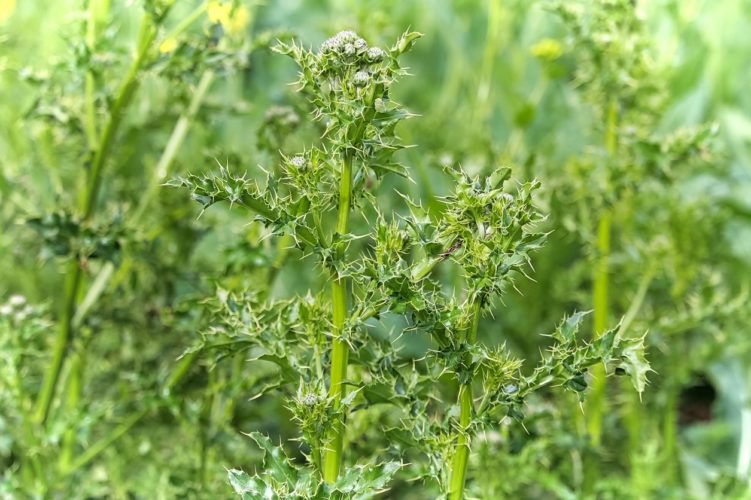
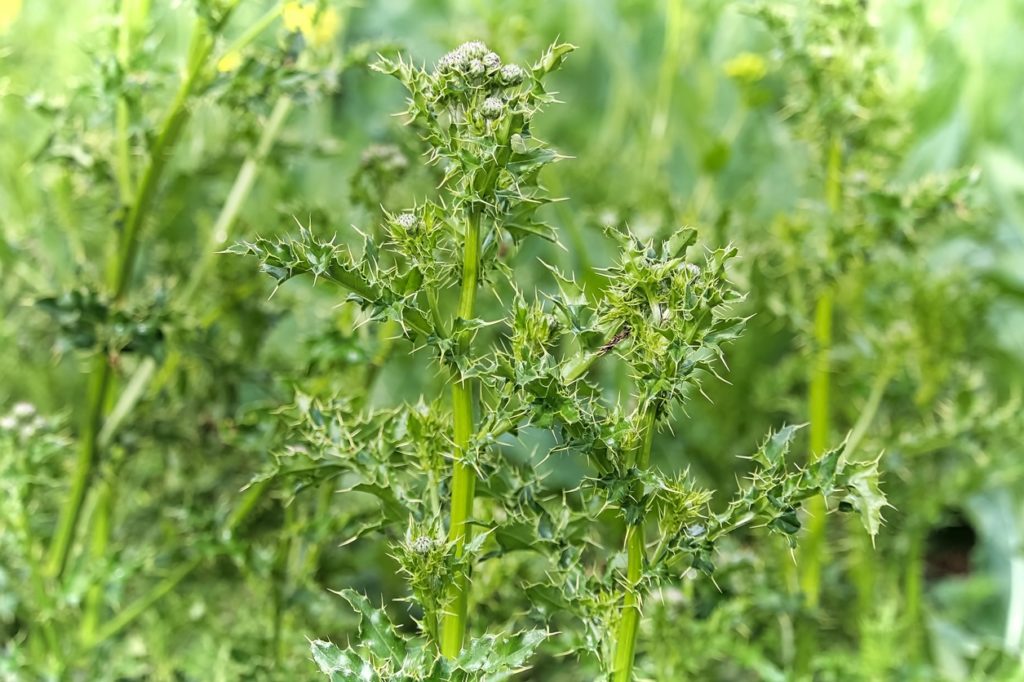
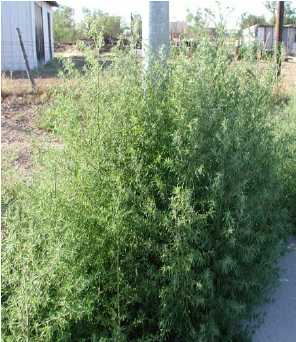
Canada Thistle
Herbicides are effective tools for the control of weeds. These chemicals are capable of killing some kinds of plants (weeds) without injury to other kinds (crops).
To determine which herbicide is best suited for your needs, refer to Alberta Blue Book (Crop Protection Manual). This manual provides a comprehensive and up-to-date guide for the selection and application of chemicals to protect your crop. Always follow label recommendations and check product labels carefully. Your most up-to-date label information is available on the manufacturer’s website links on the product label.
Because faba bean does not provide a competitive canopy early in the season, weed growth will be greater and more visible in an emerged faba bean crop.
The decision to spray or not to spray should be based on economics. If the potential yield loss is greater than the cost of the chemical and application, then you should spray. Prior to spraying, producers should evaluate the sensitivity of the surrounding environment and avoid spray drift.
| SPRAYER |
|
| CROP SCOUTING |
|
| KNOW YOUR WEEDS |
|
| ALLOW FOR CROP STRESS |
|
| NODE STAGING |
|
| HERBICIDE TANK MIXES |
|
SPRAYER |
|
CROP SCOUTING |
|
KNOW YOUR WEEDS |
|
ALLOW FOR CROP STRESS |
|
NODE STAGING |
|
HERBICIDE TANK MIXES |
|
Timing of herbicide application is very important. Earlier herbicide application means weeds are well-exposed, are smaller (generally weeds are easier to control at a younger stage), and the crop is less susceptible to injury.
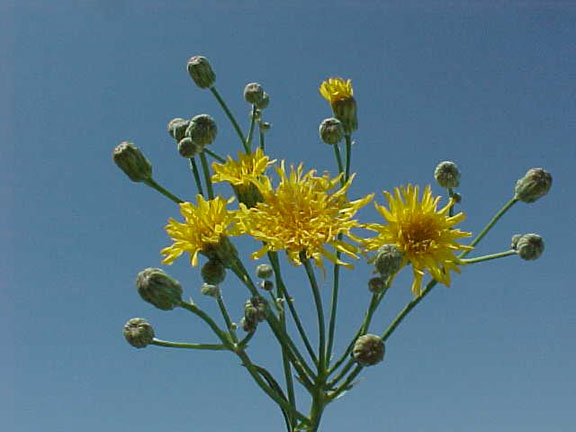
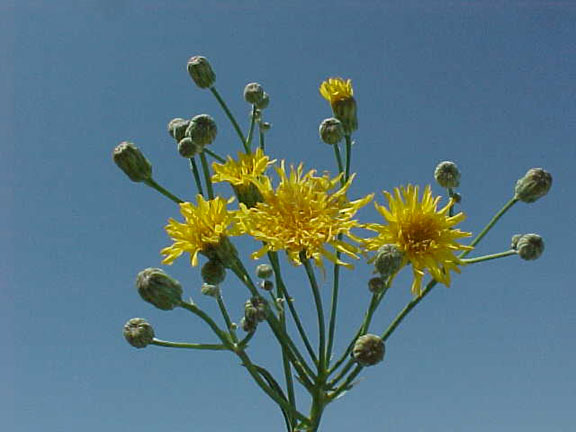
Perennial Sow Thistle, Photo Credit: South Dakota University, Department of Agriculture
| Weed Control the Year Before |
|
| SPRING PRE-SEED AND PRE-EMERGENT WEED CONTROL |
|
| SAME YEAR – IN CROP POST-EMERGENT WEED CONTROL |
|
| PRE-HARVEST WEED CONTROL |
|
| POST HARVEST WEED CONTROL |
|
Weed Control the Year Before |
|
SPRING PRE-SEED ANDPRE-EMERGENT WEED CONTROL |
|
SAME YEAR – IN CROPPOST-EMERGENT WEED CONTROL
|
|
PRE-HARVEST WEED CONTROL |
|
POST HARVEST WEED CONTROL |
|